THAAP Heritage operates on the core belief that historical structures are the physical anchors of a nation’s identity.
Our vision transcends simple renovation; we aim to foster a “Historic Consciousness” that integrates our past into the living present.
By viewing heritage through the “People’s Perspective,” we ensure that conservation is not just about stones and mortar, but about the communities that have lived within and around these spaces for centuries. Our approach is holistic, combining architectural expertise with sociological research to protect both the tangible fabric and the intangible spirit of our built environment.
At THAAP, conservation is a rigorous scientific process guided by international charters, such as the Venice Charter and UNESCO’s heritage protocols. Every project begins with exhaustive documentation, archival research, and material analysis. We prioritize the use of traditional building materials—such as kankar lime, specialized mortars, and hand-molded bricks—to ensure compatibility with the original structure. This technical precision ensures that the integrity of the monument is maintained while providing it with the structural stability required to survive for future generations.
Developing comprehensive management and conservation plans for UNESCO sites, including the Shalamar Gardens and Lahore Fort.
Restoring iconic colonial-era landmarks such as St. Hilda’s Hostel (1876) and Kinnaird College (1913).
Implementing non-invasive reinforcement techniques for heritage buildings in earthquake-prone zones like AJK.
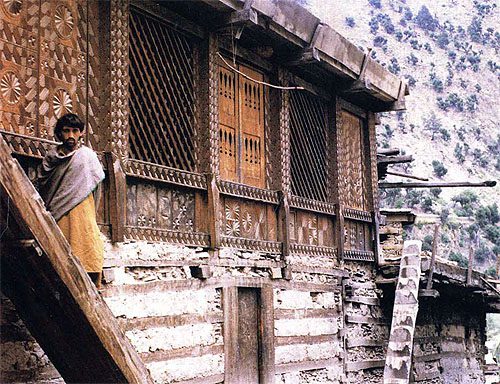
Reviving endangered building crafts by employing master artisans (Ustads) for fresco work, tile-making, and woodcarving.
A multi-year conservation effort focused on the structural stabilization and aesthetic bahaali (restoration) of this ancient temple site.
A specialized restoration project in Azad Jammu & Kashmir focusing on the fortification walls and the inner palace ruins.
A delicate restoration project of the 1854 structure, focusing on both the structural integrity and the intricate interior details.
Copyright. All Rights Reserved by THAAP.