Our Project
THAAP Specialized Projects

THAAP’s projects represent a dedicated effort to bridge the gap between ancient indigenous wisdom and modern sustainable development. By documenting Intangible Cultural Heritage (ICH) and collaborating with traditional master builders, these initiatives address global challenges such as climate change, water scarcity, and urban decay. Each project is rooted in a “People-Centric” approach, ensuring that local communities remain the primary custodians of their cultural and architectural identity.
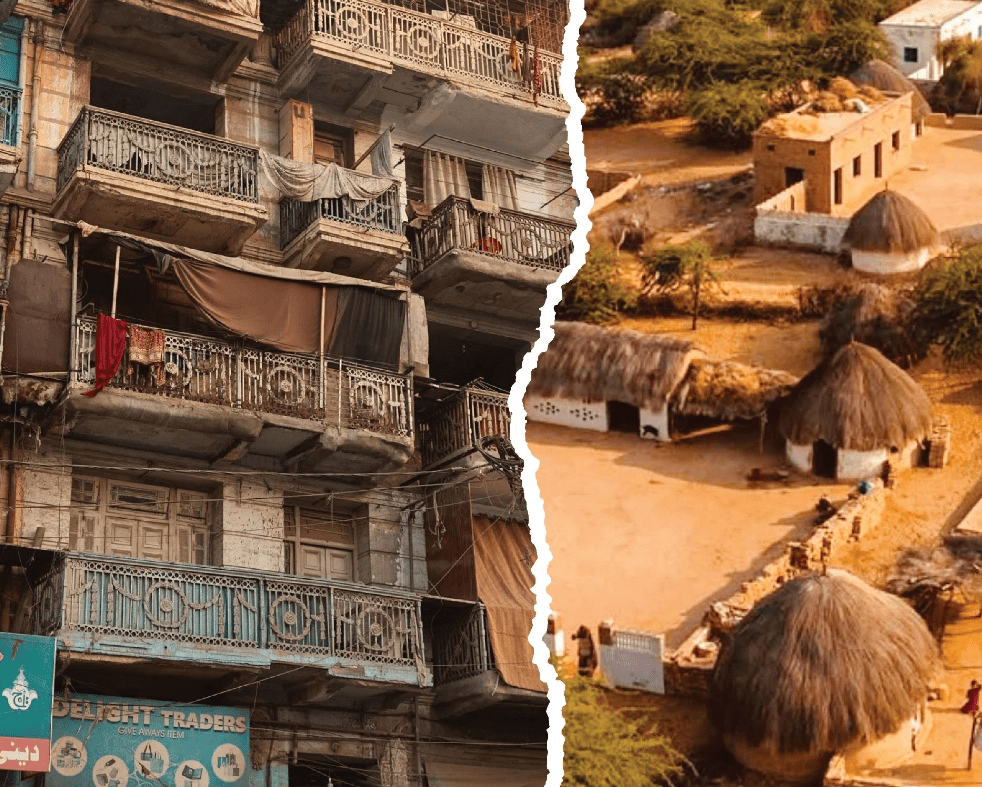
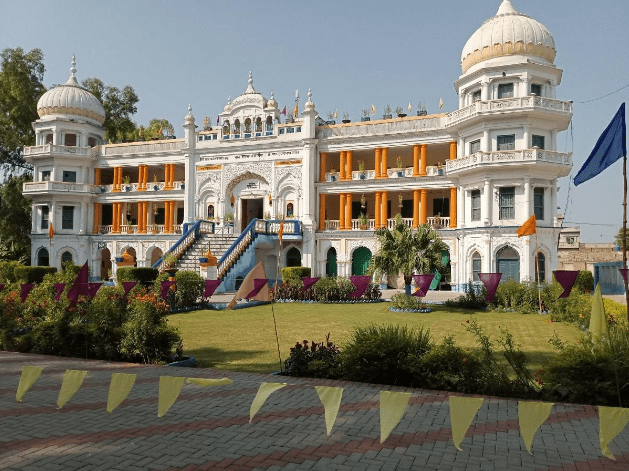
The Traditional Craft Village of Abbas Nagar: A Sustainable Heritage Model
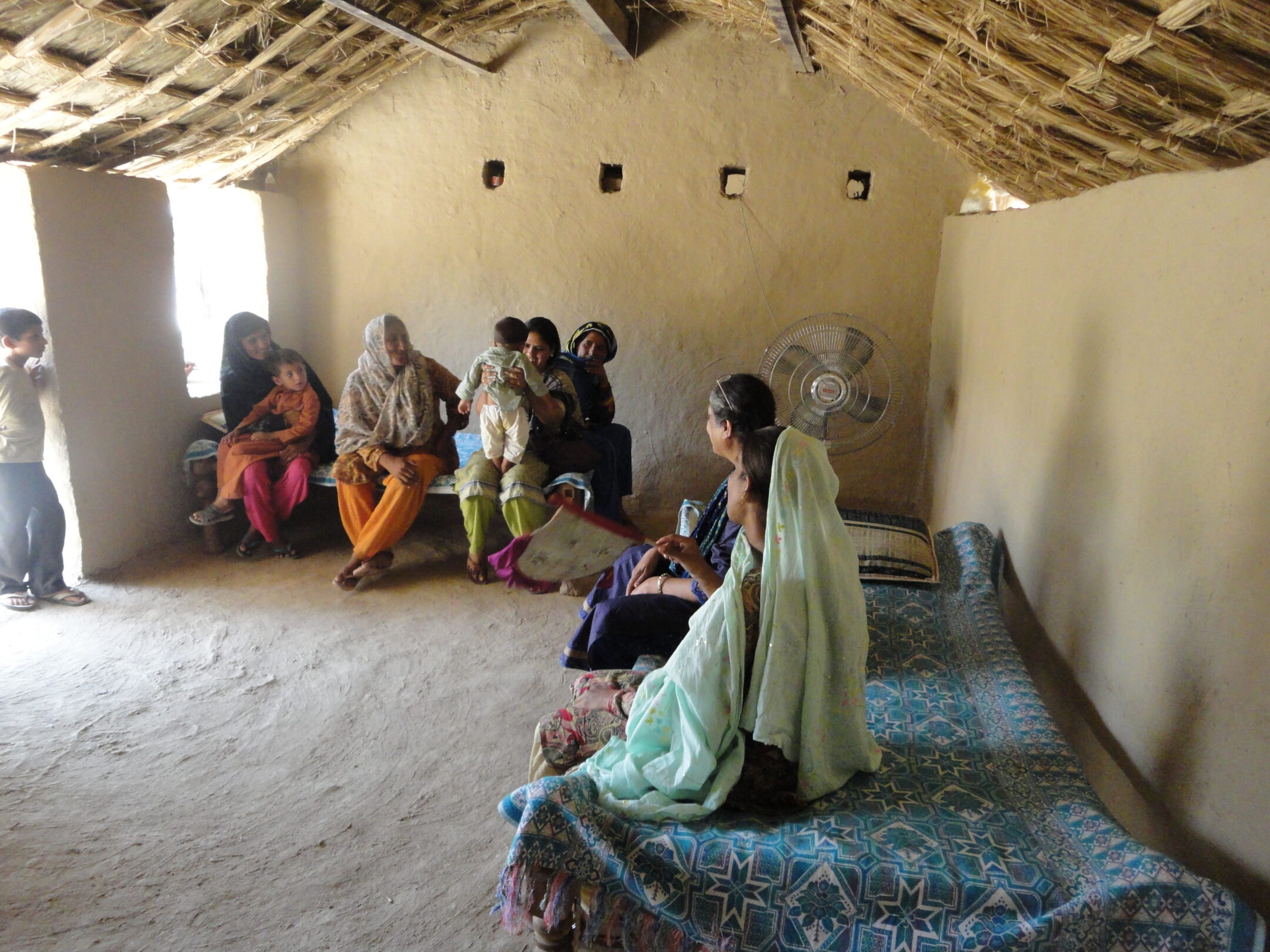
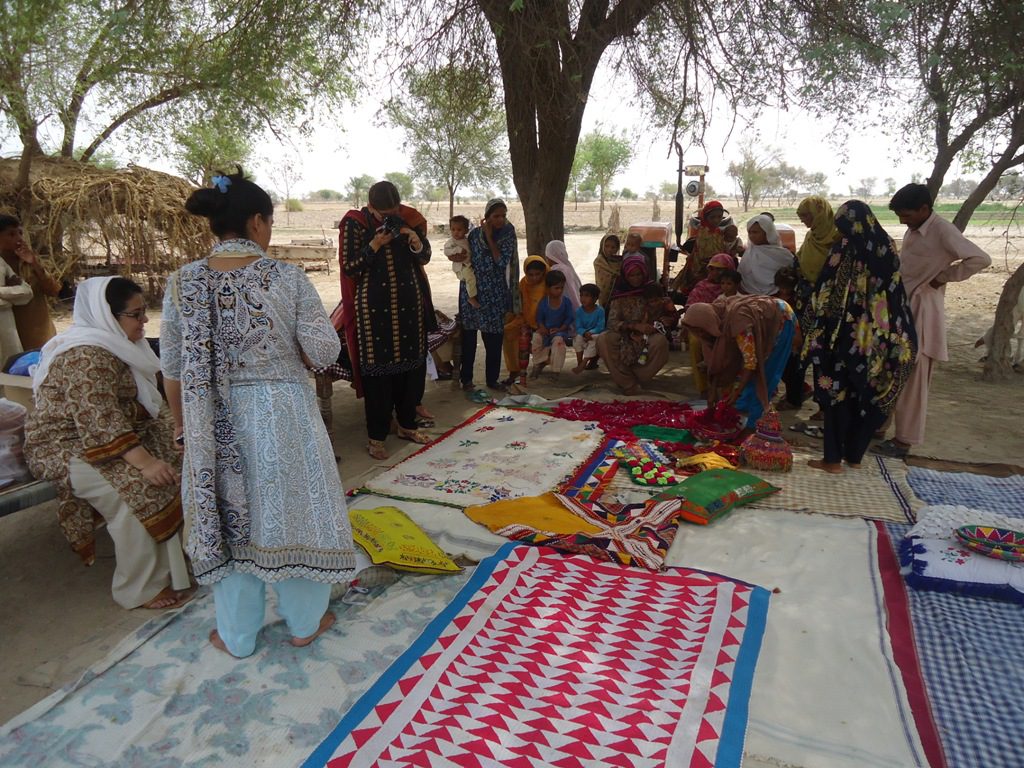
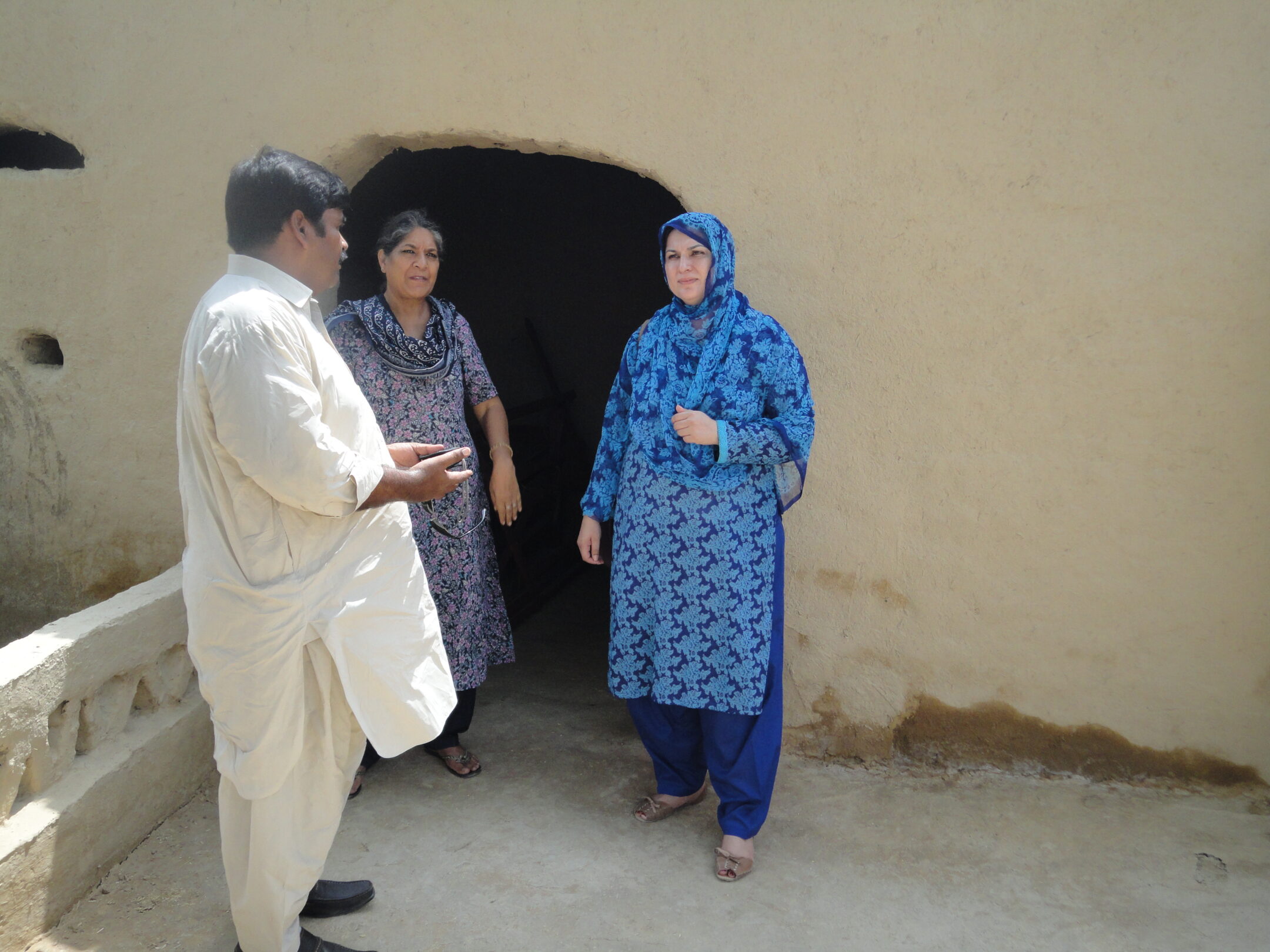
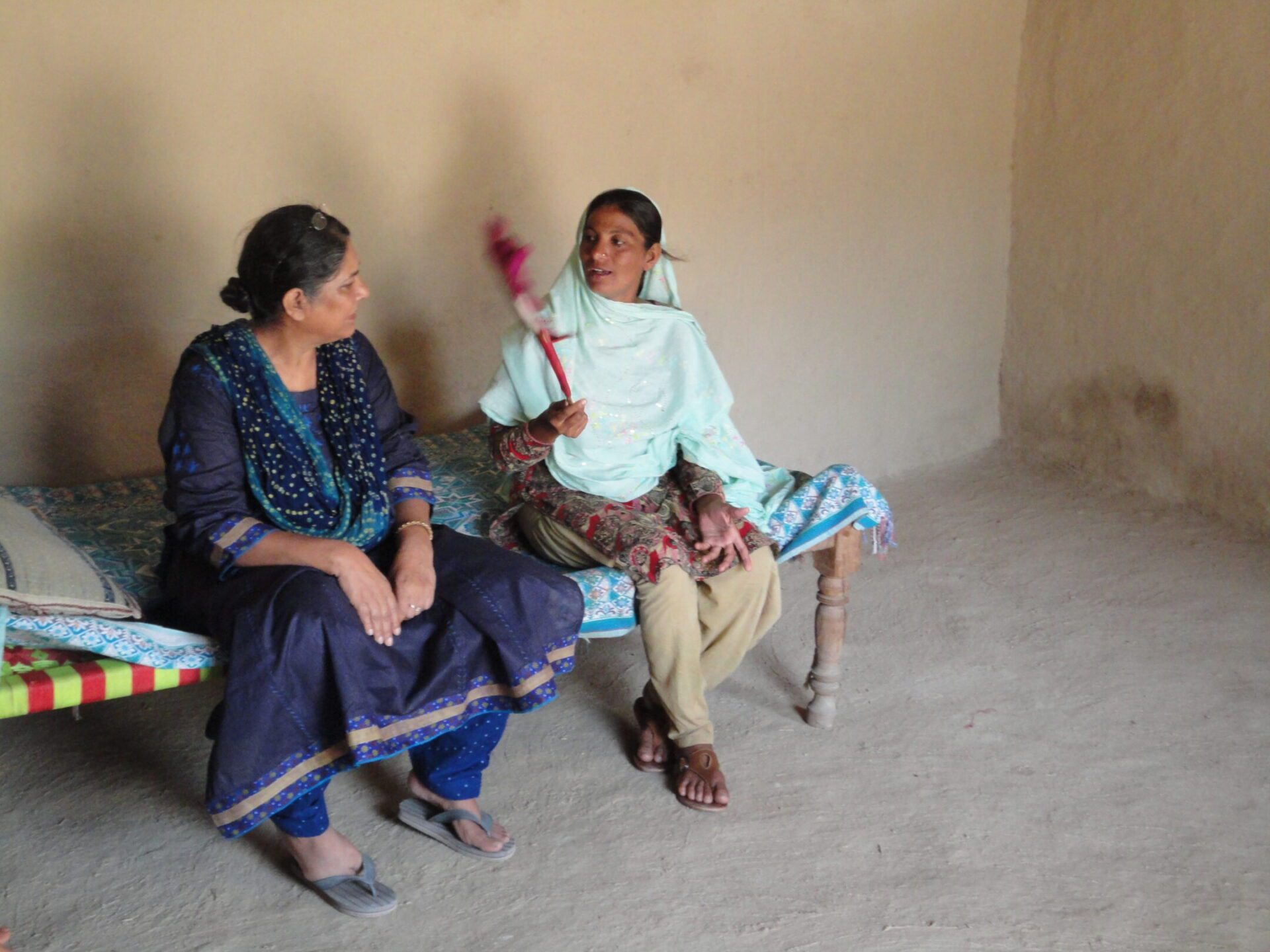
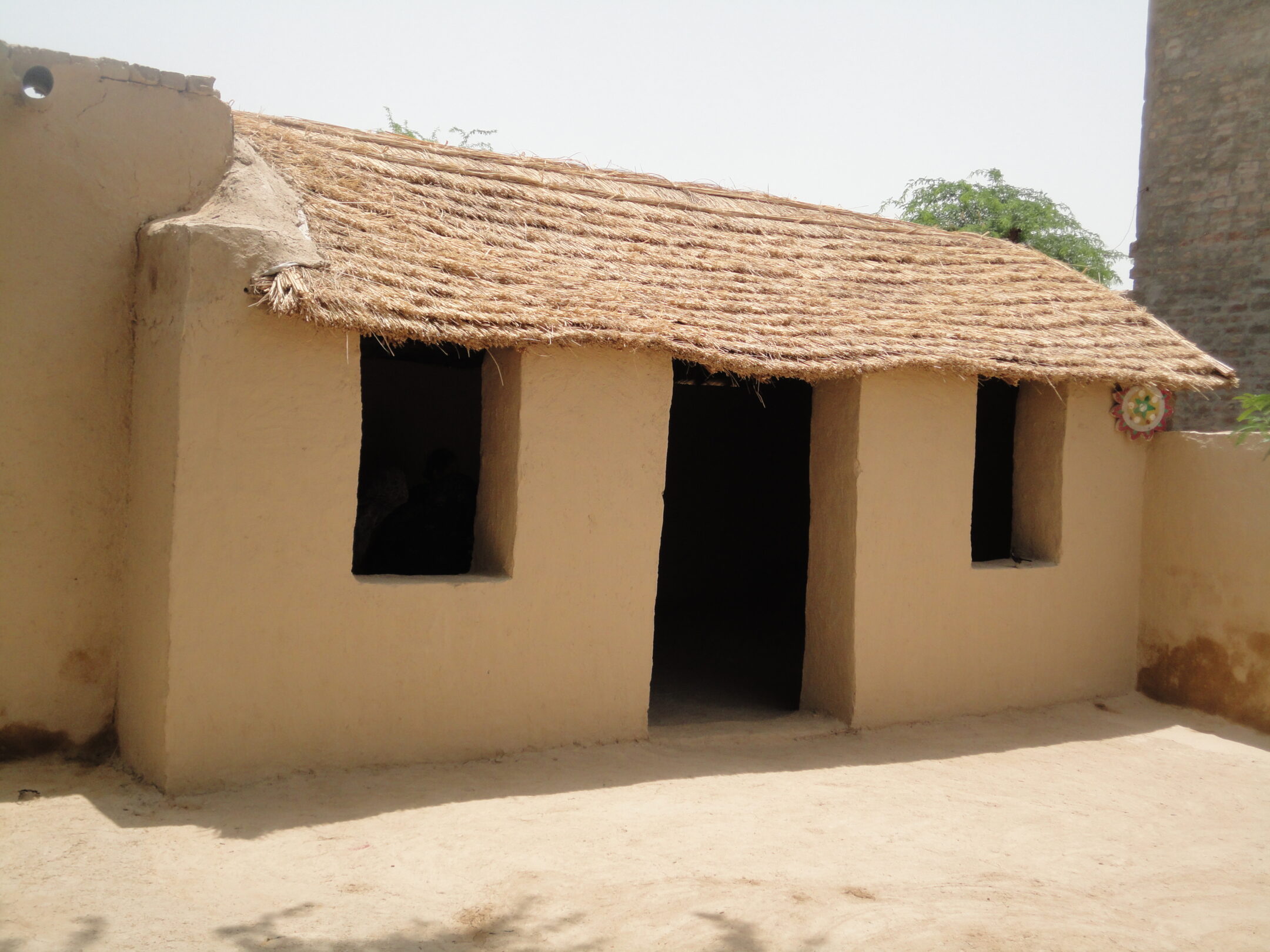
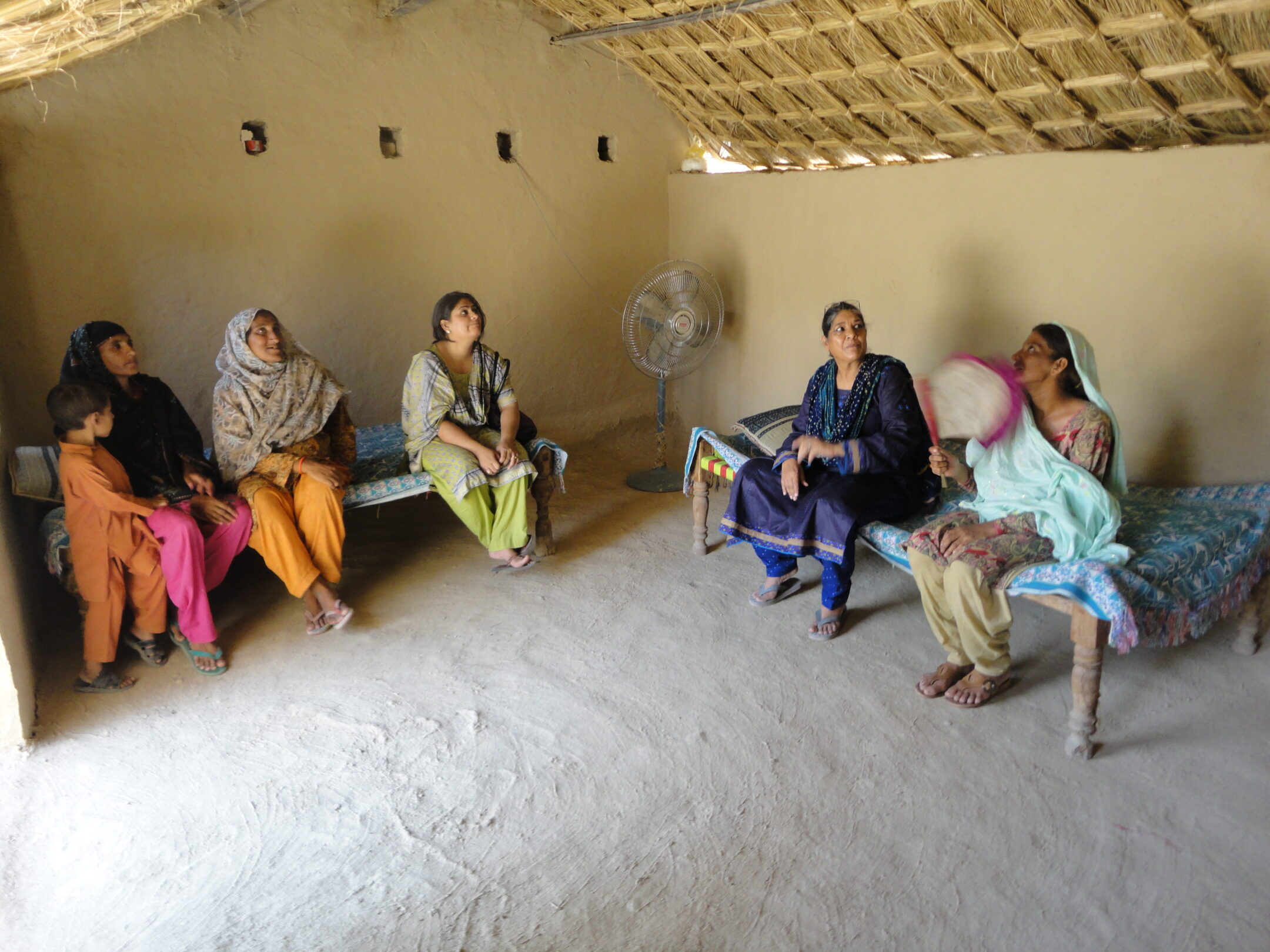
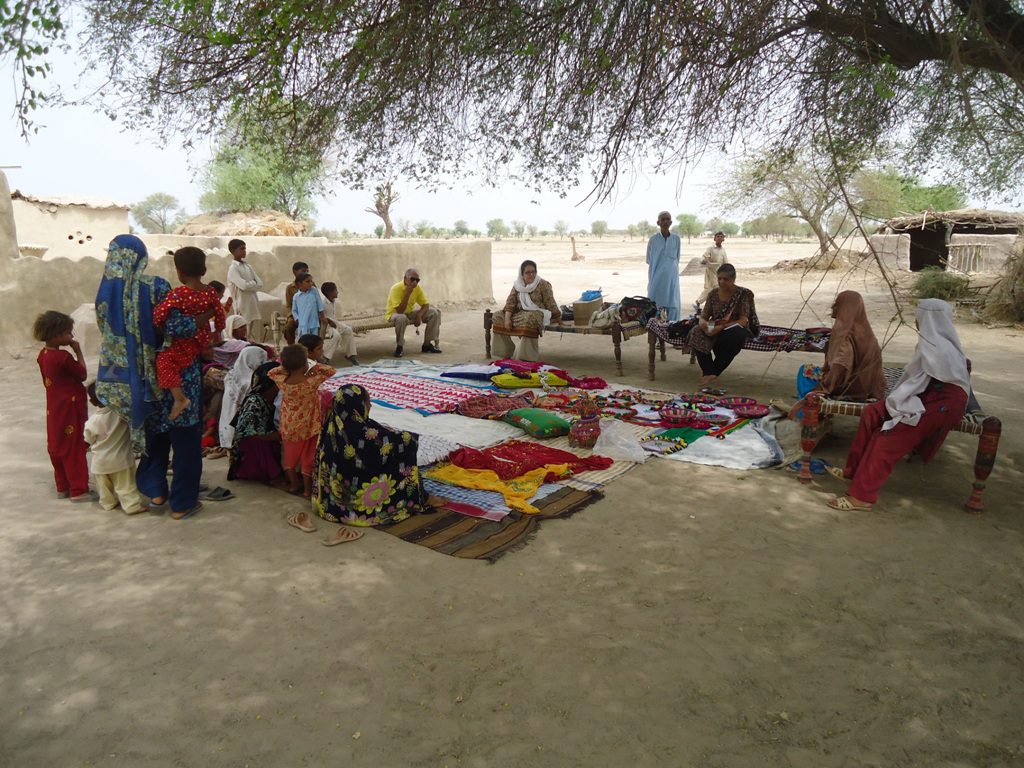
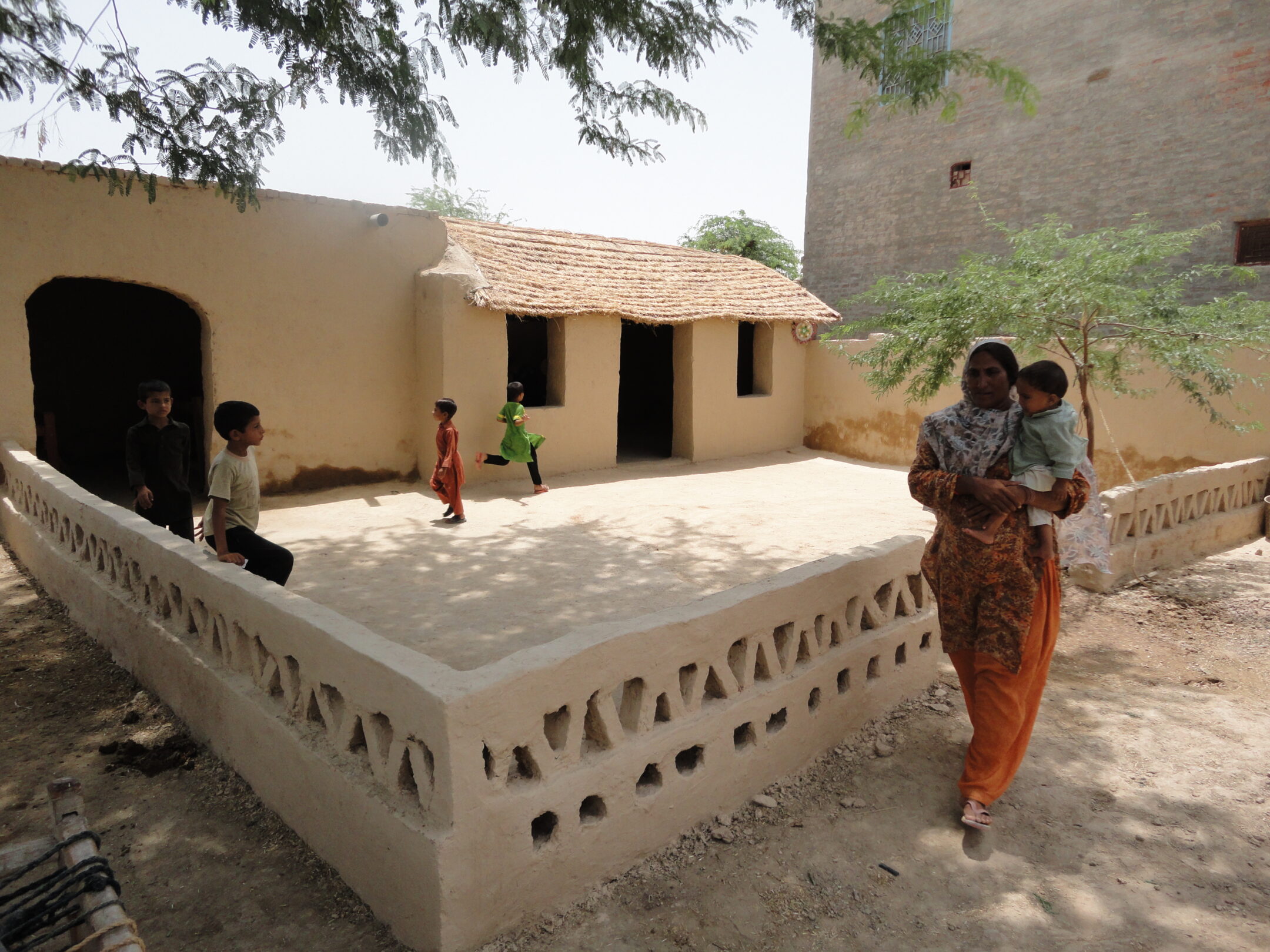
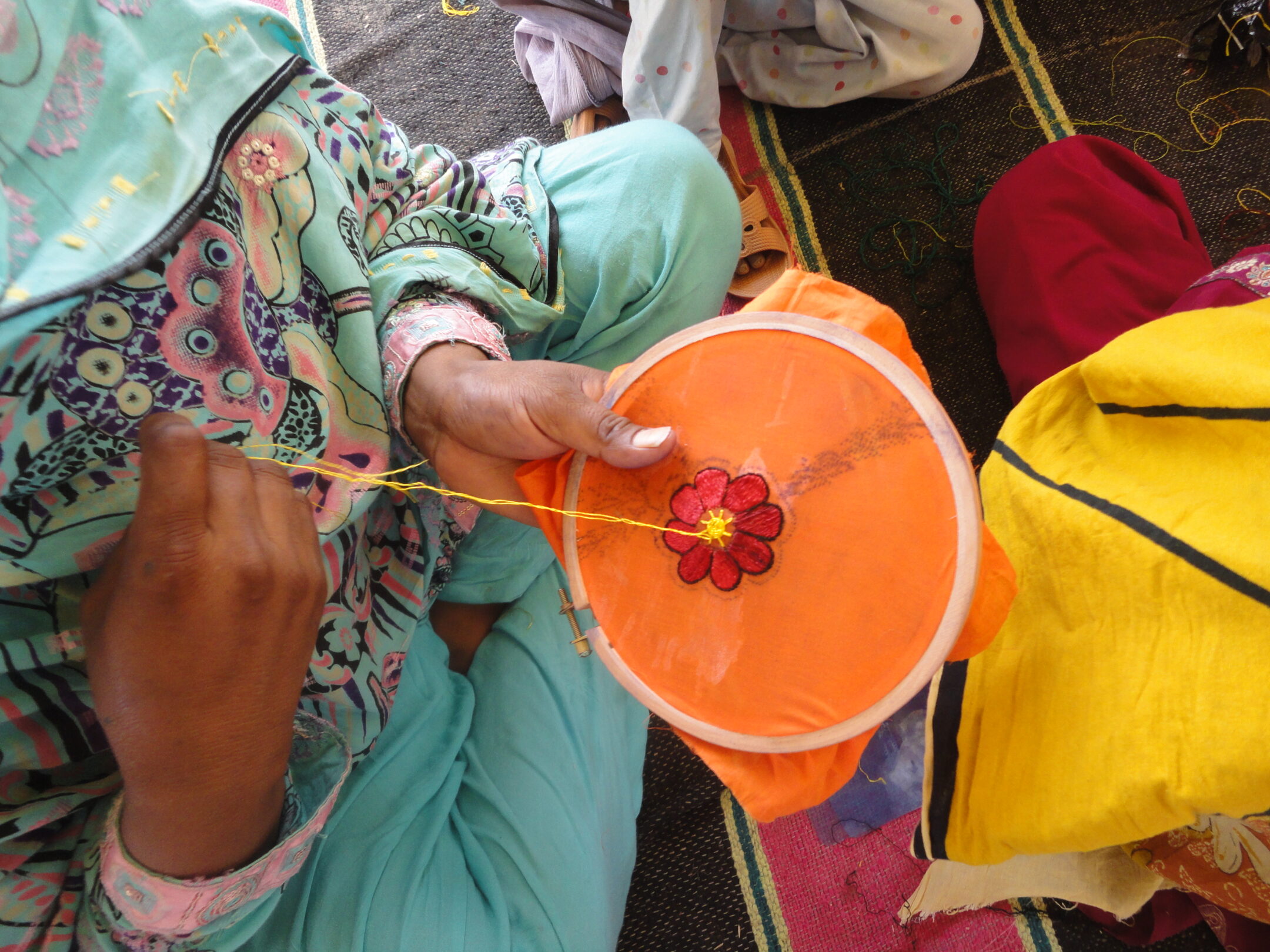
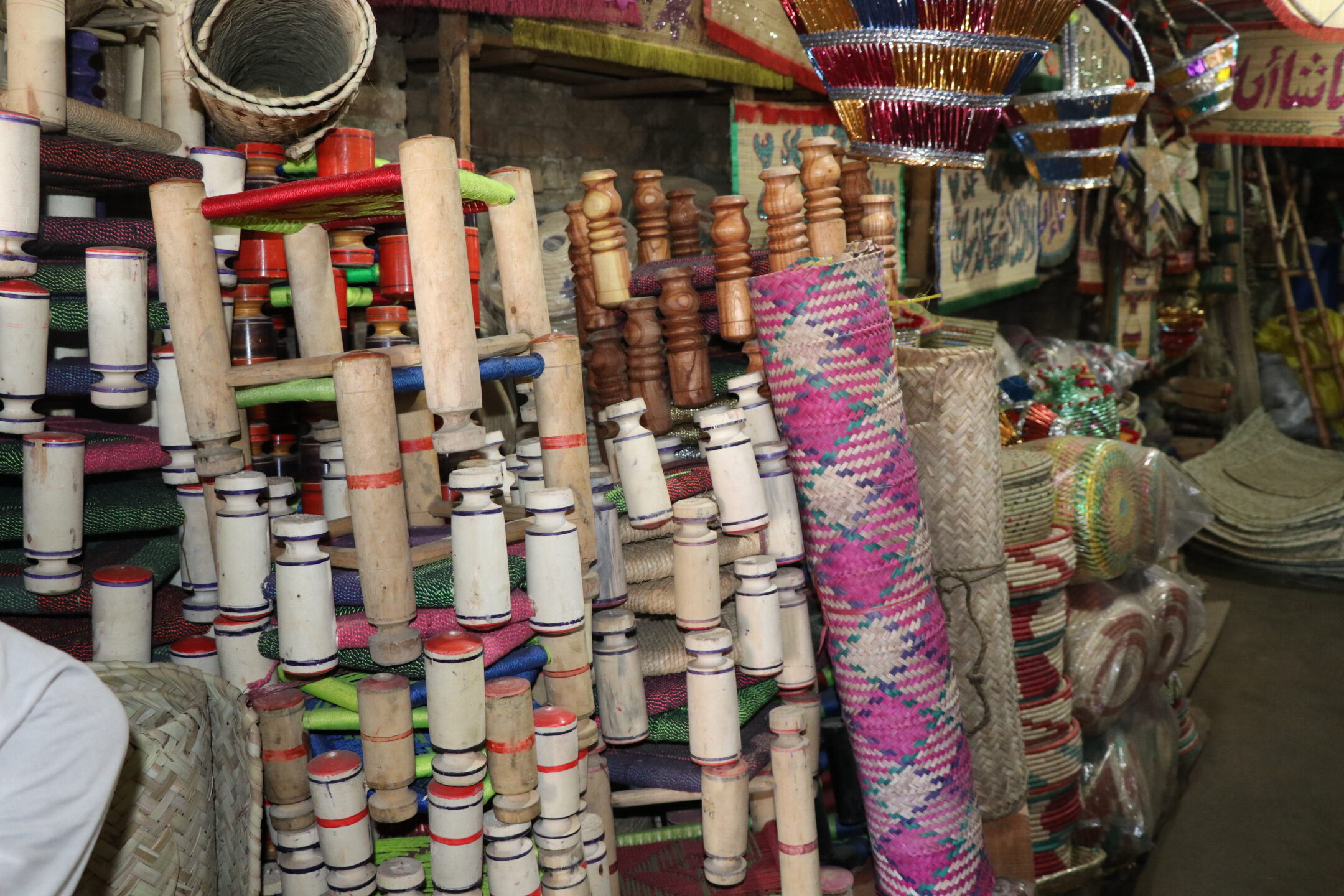
This initiative was designed to transform the villages of Abbas Nagar, BC 33, and Dera Bukka into thriving “Model Craft Villages” within the Bahawalpur District. Beyond just identifying heritage sites, the project established a direct link between traditional artisans and modern-day markets. A significant focus was placed on reviving indigenous techniques such as Chunri-making and handloom weaving. Moreover, the project championed the “Sal” construction method—a traditional mud and thatch-roofing technique. By documenting and promoting this climate-resilient architecture, the project proved that traditional housing is not only cost-effective but also provides a sustainable solution to the extreme heat of Southern Punjab.
Safeguarding Cultural Heritage (Phase 1): Empowering Youth in KPK (2019)
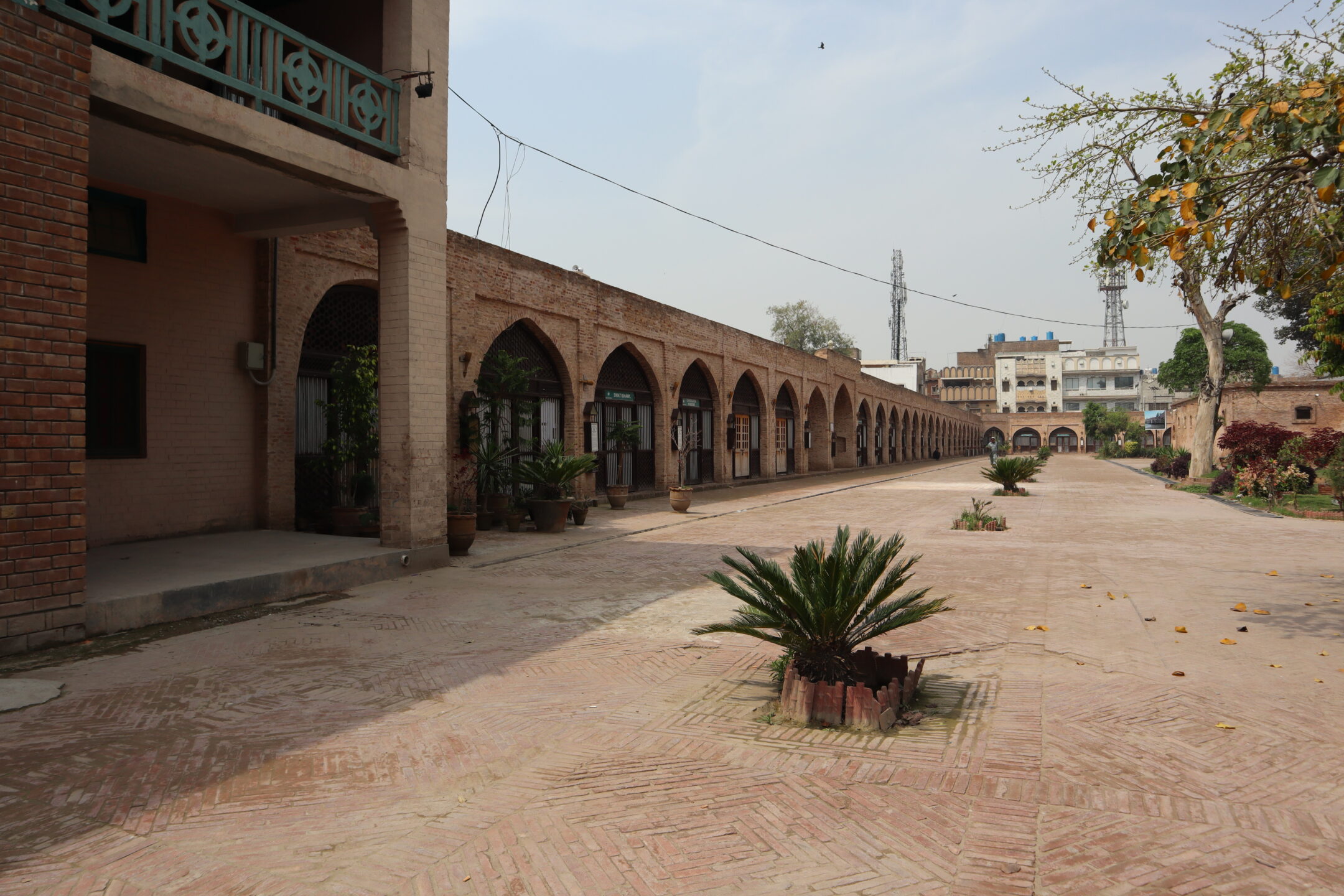
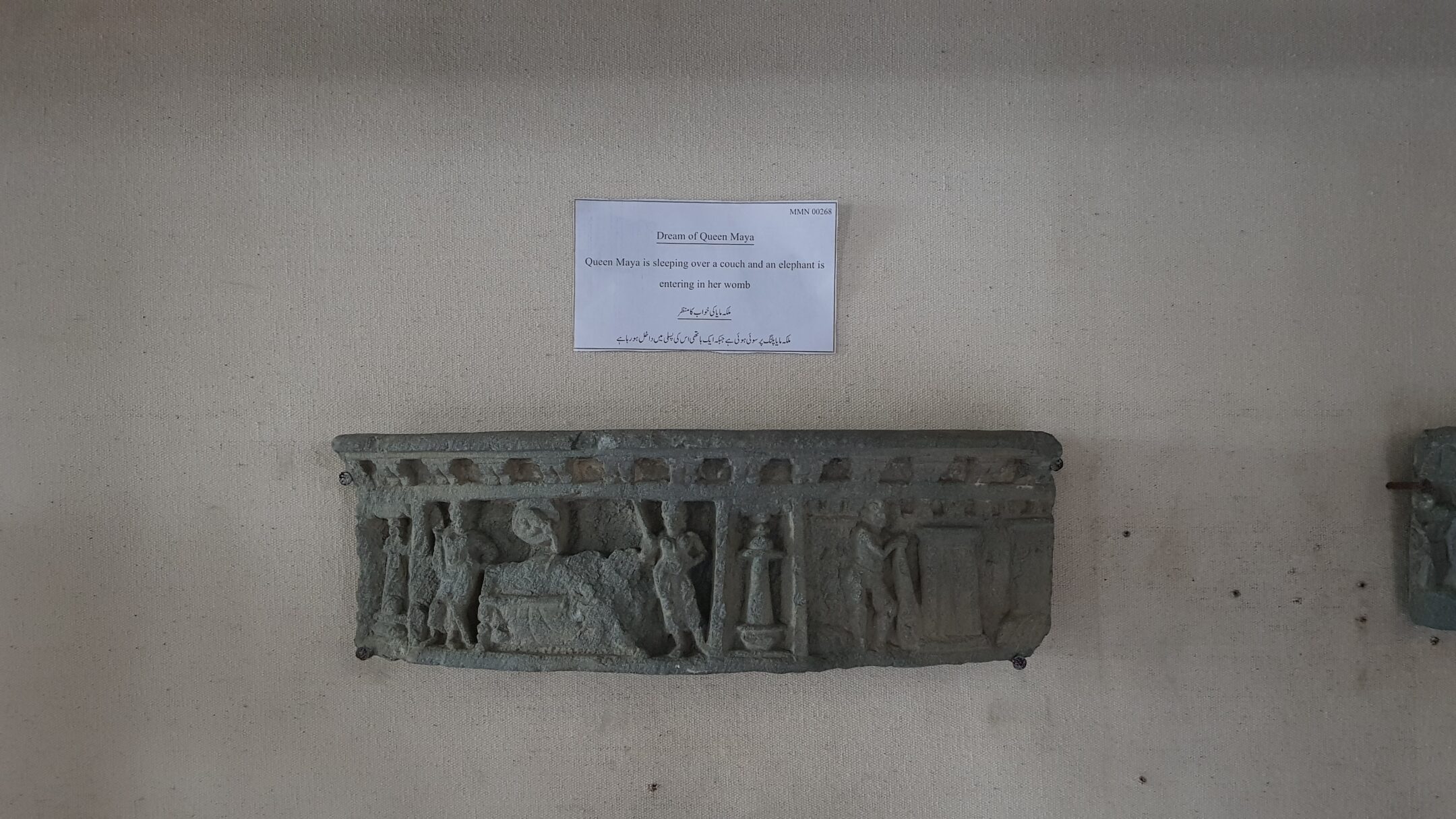
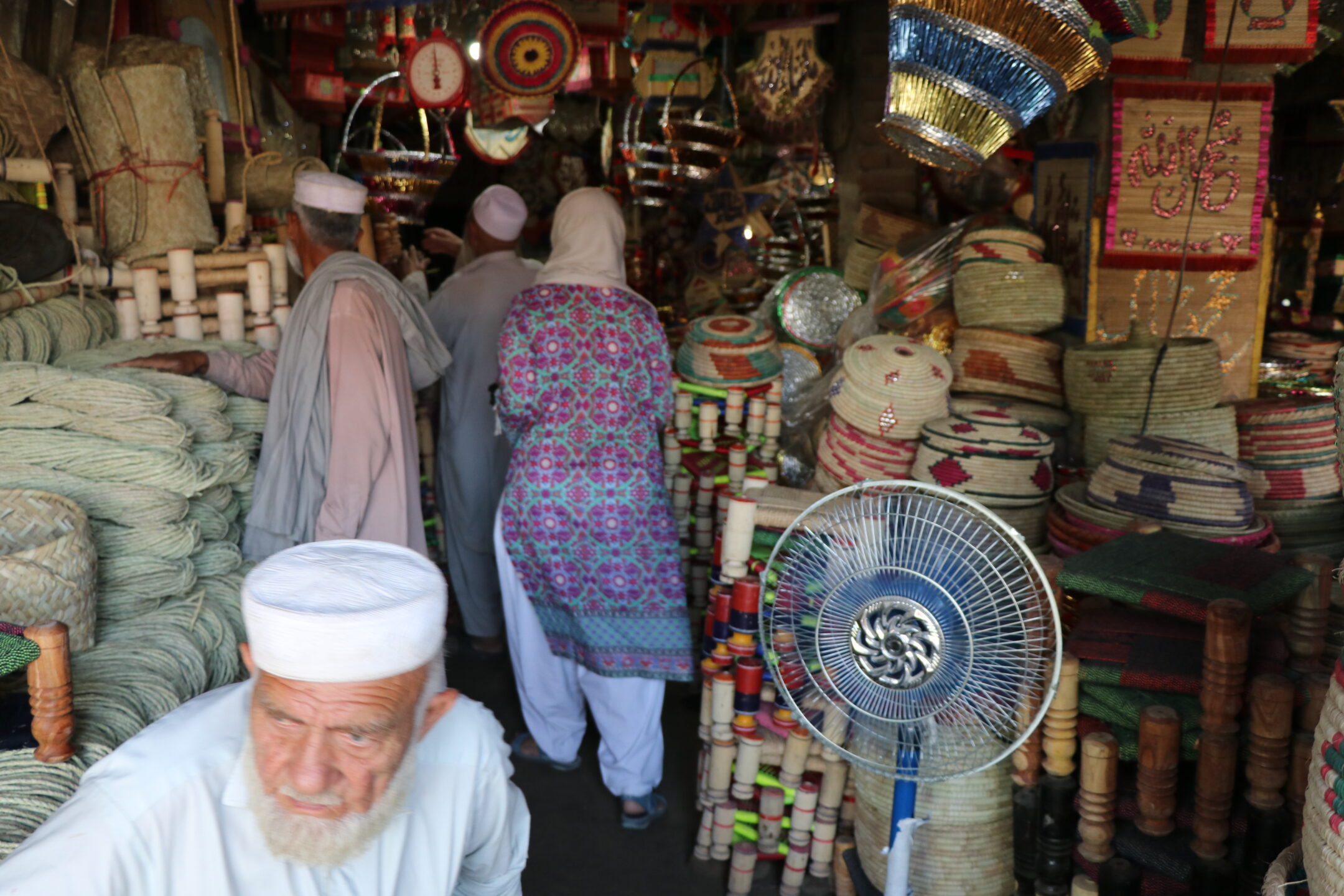
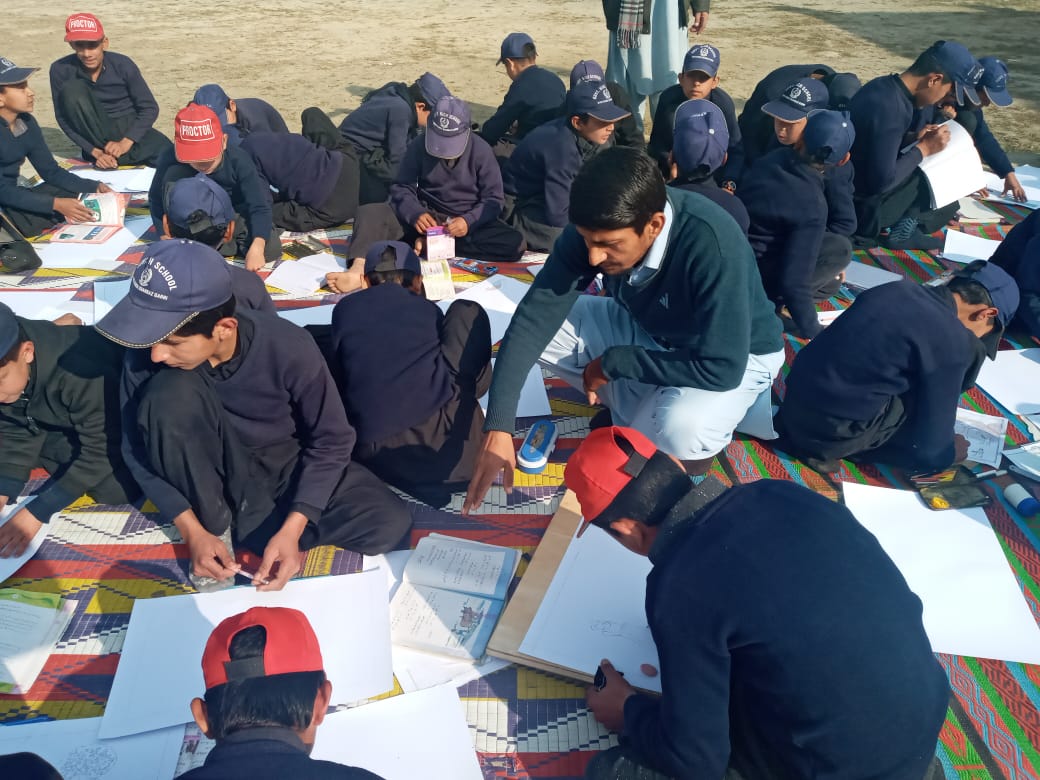
Executed between February and September 2019, this inaugural phase aimed to bridge the gap between the youth and their ancestral history in Khyber Pakhtunkhwa. Focusing on schools in Peshawar, Mardan, and Swat, the project conducted extensive workshops to educate students on the dual nature of heritage: Tangible (archaeological sites and monuments) and Intangible (oral traditions, folk games, and local languages). By engaging students in their own classrooms, the project successfully mobilized a new generation of “Cultural Ambassadors” committed to the protection and advocacy of Pakistan’s diverse historical landscape.
Safeguarding Cultural Heritage (Phase 2): Artistic Expression and Awareness (2020-21)
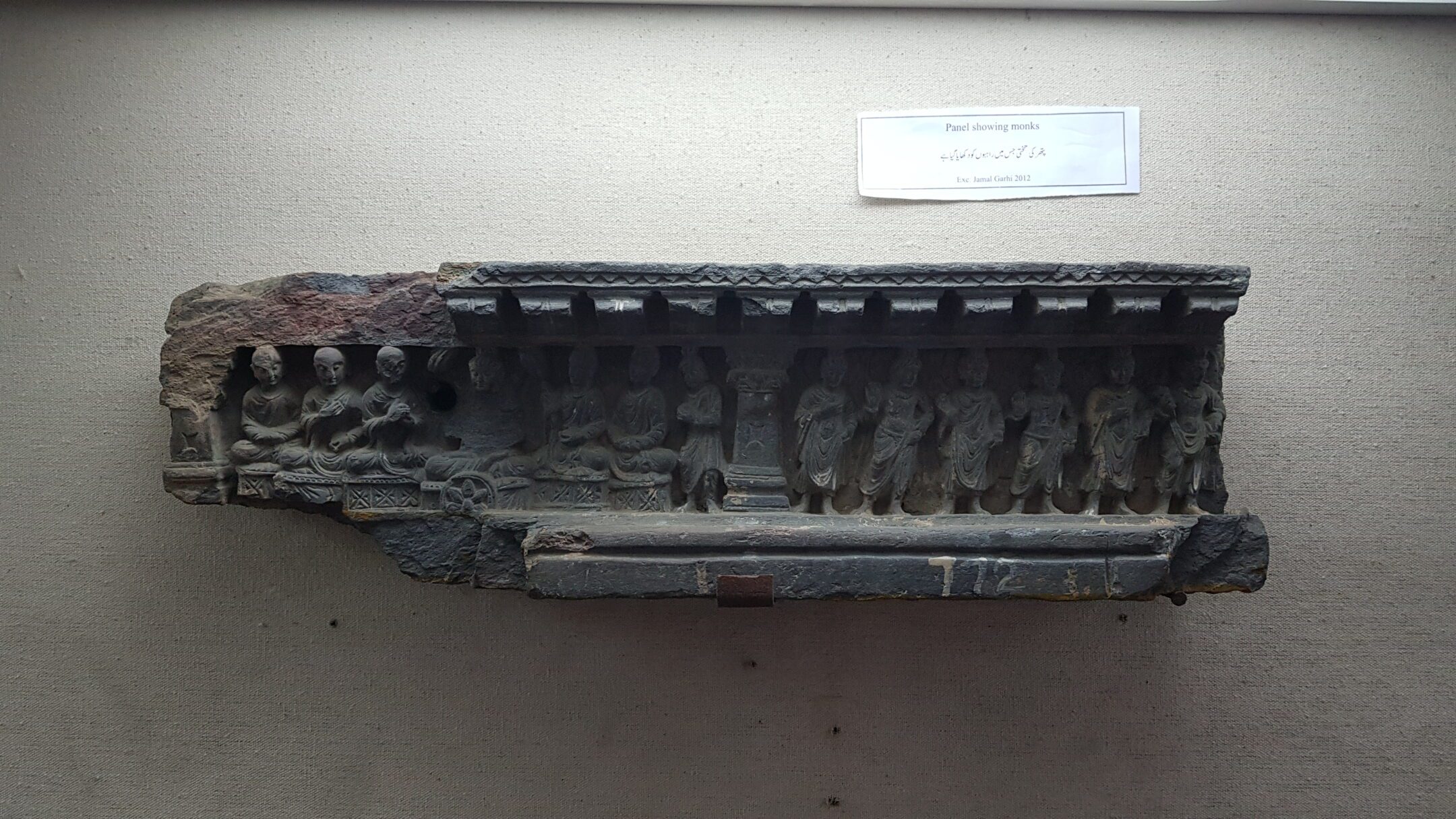
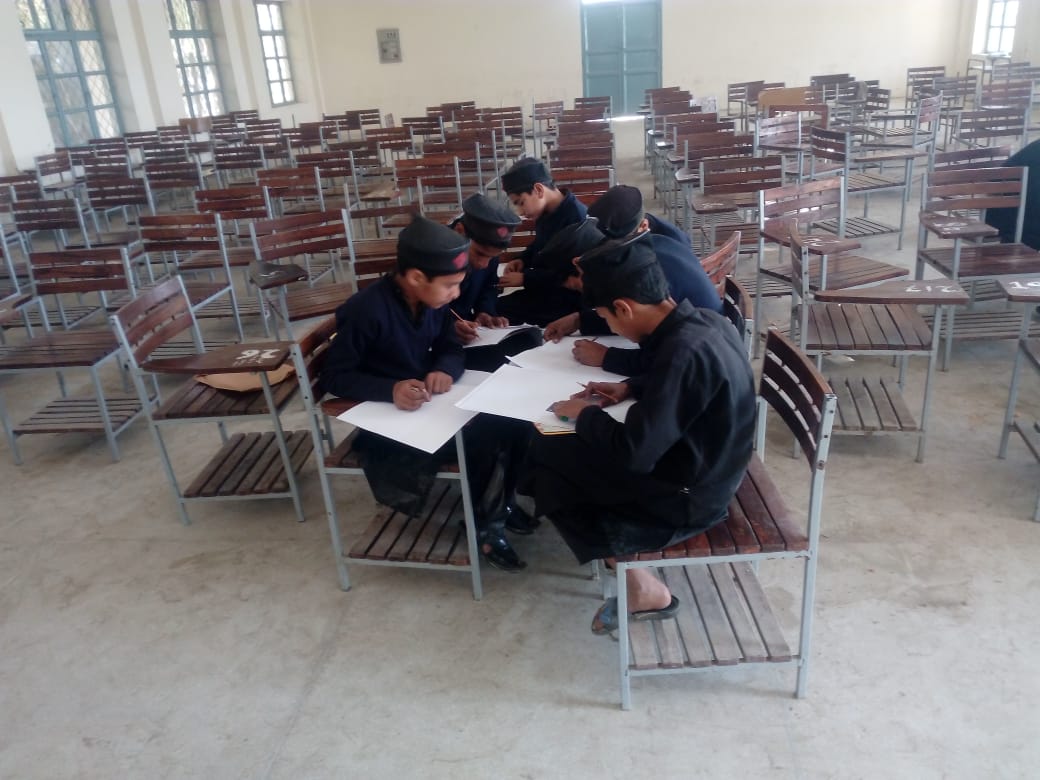
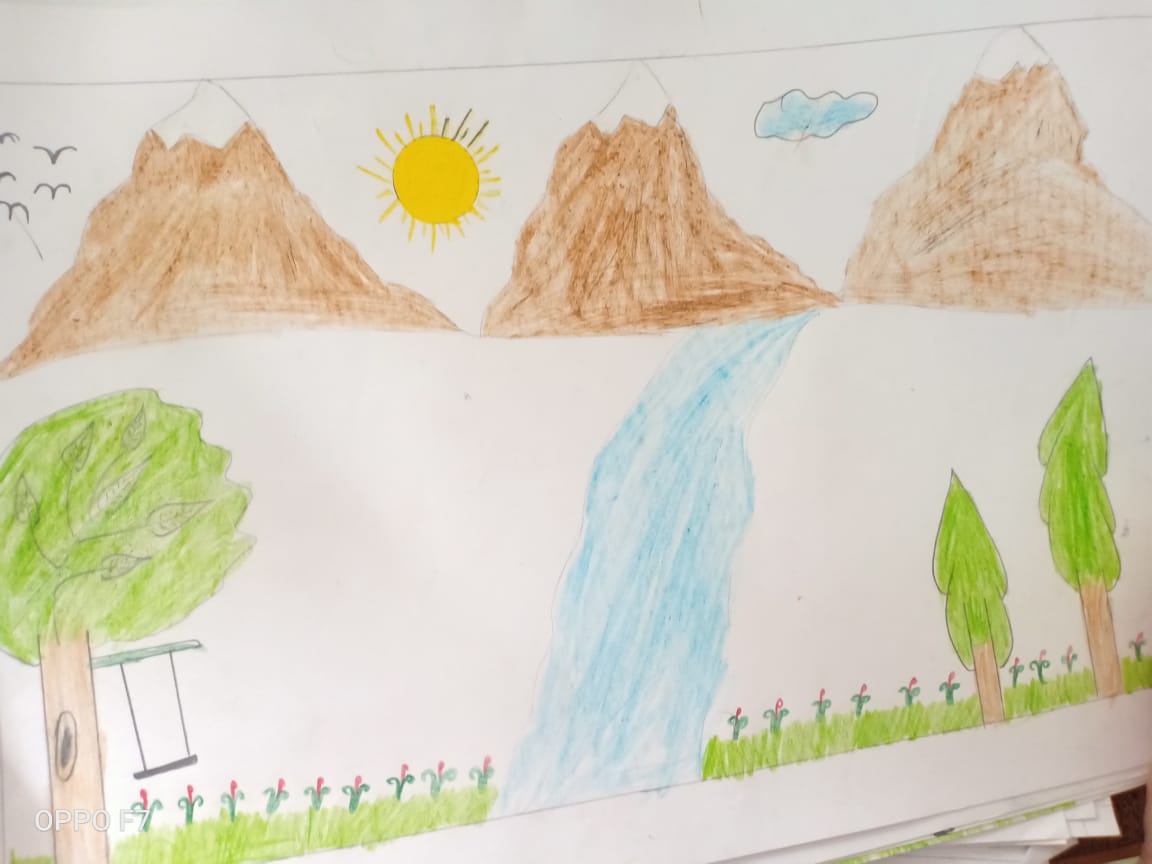
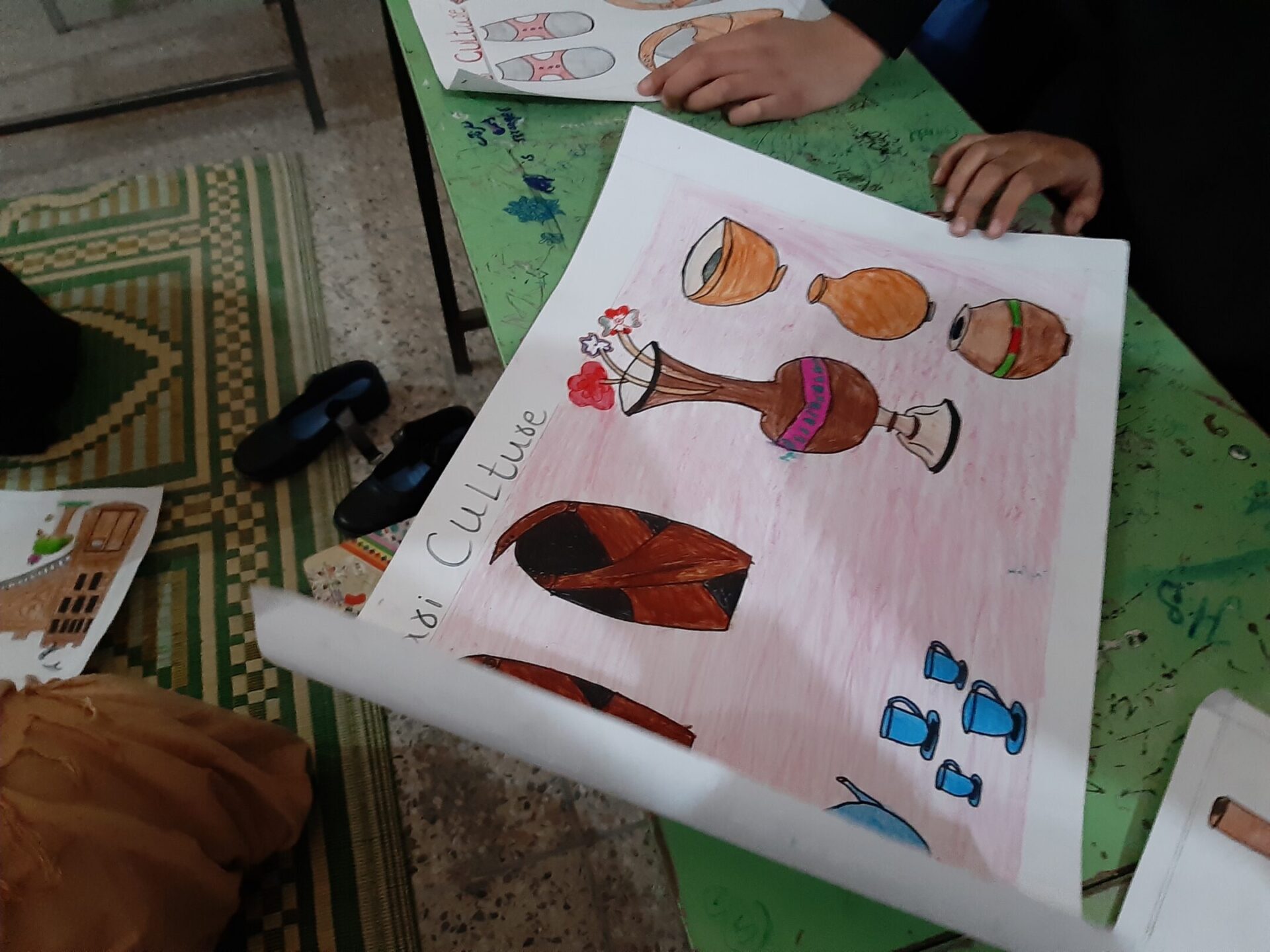
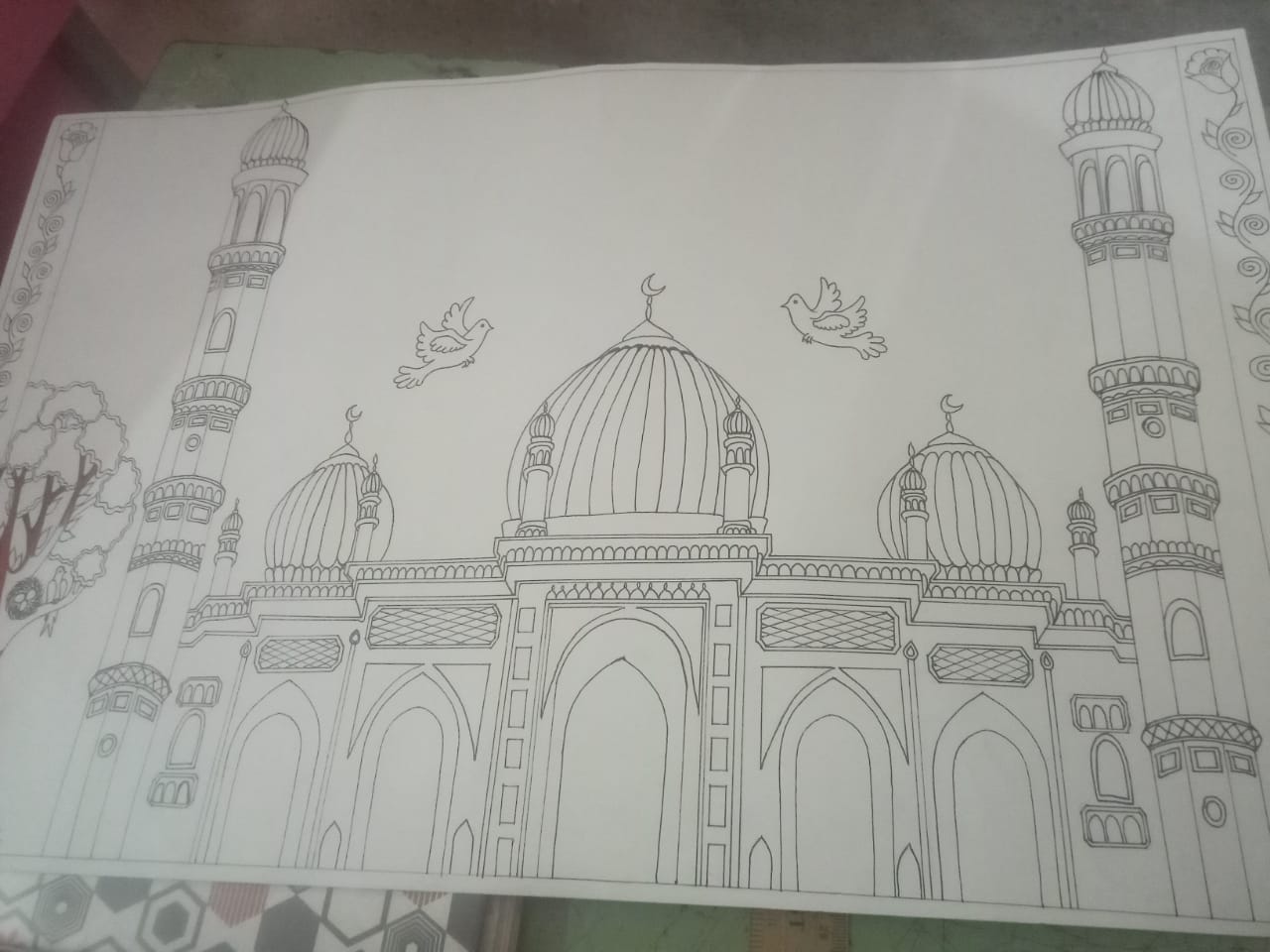
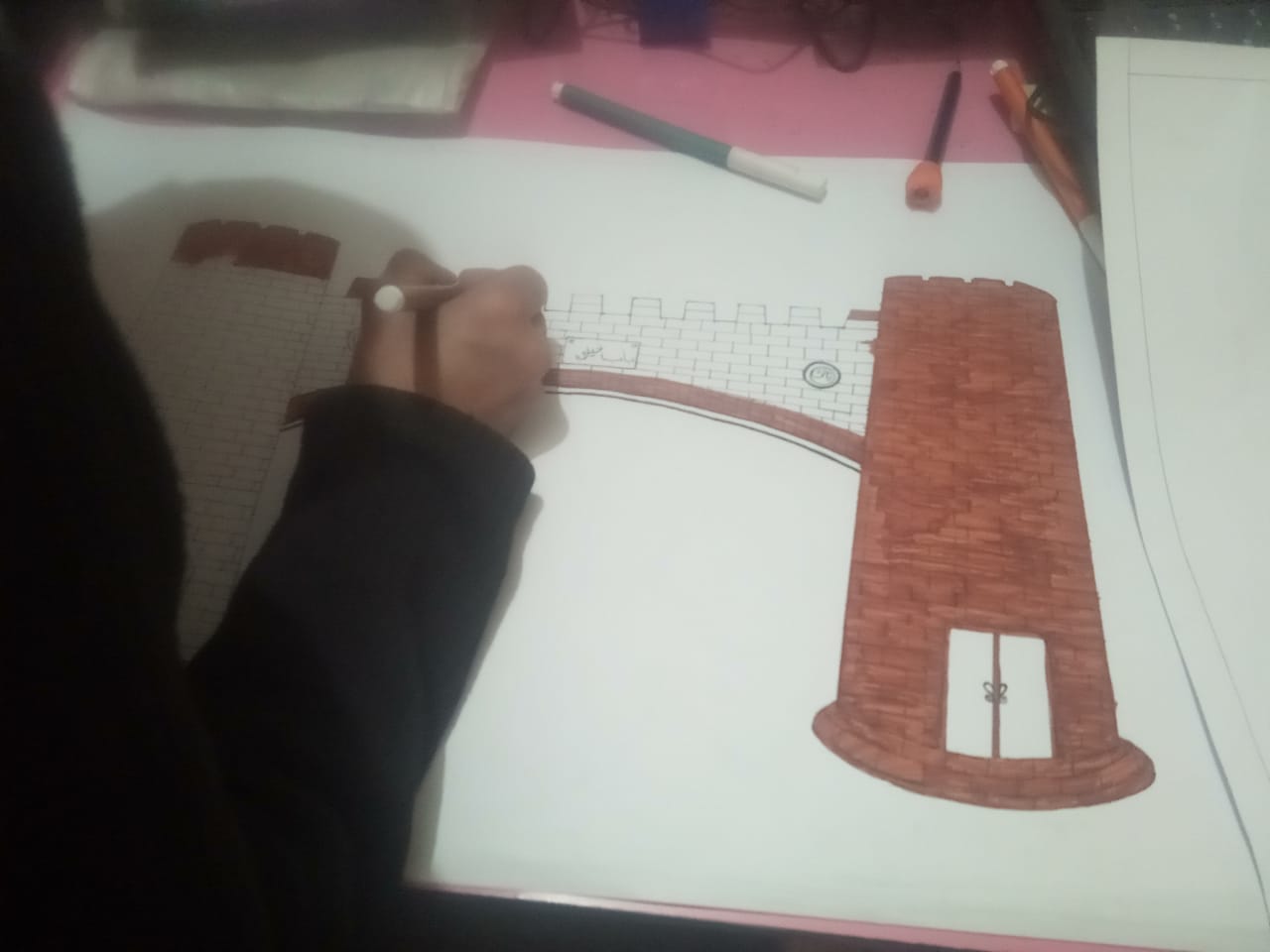
Following the success of Phase 1, the second phase (2020-21) utilized creative expression as a tool for heritage preservation. Central to this phase was a series of state-wide Art Competitions where students from government schools were encouraged to illustrate their vision of local culture. Despite the immense challenges posed by the global pandemic and academic schedules, the project saw overwhelming participation. This phase highlighted the importance of “learning through art,” allowing children to internalize the value of Gandharan art and local history, ultimately concluding with award ceremonies that recognized the creative talents of winners from Swat, Mardan, and Peshawar.
Nankana Sahib & The Arts of the Sikh Kingdoms: Historical Documentation (2022)
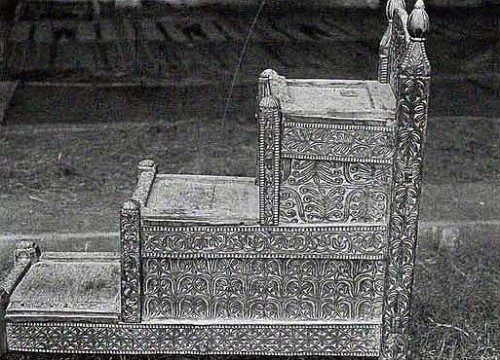
Commencing in April 2022, this project was dedicated to the scholarly documentation and preservation of the rich history of Nankana Sahib and the broader Sikh era. The research focused on “The Arts of the Sikh Kingdoms,” examining intricate maps, royal artifacts, and architectural wonders from the time of Maharaja Ranjit Singh to the pre-partition era. The goal was to produce a comprehensive publication that serves as a bridge for global scholars and pilgrims, ensuring that the shared cultural narrative and the religious sanctity of these historic sites are meticulously preserved for future generations.
UNESCO-THAAP: Craft Development and Poverty Alleviation in Bahawalpur
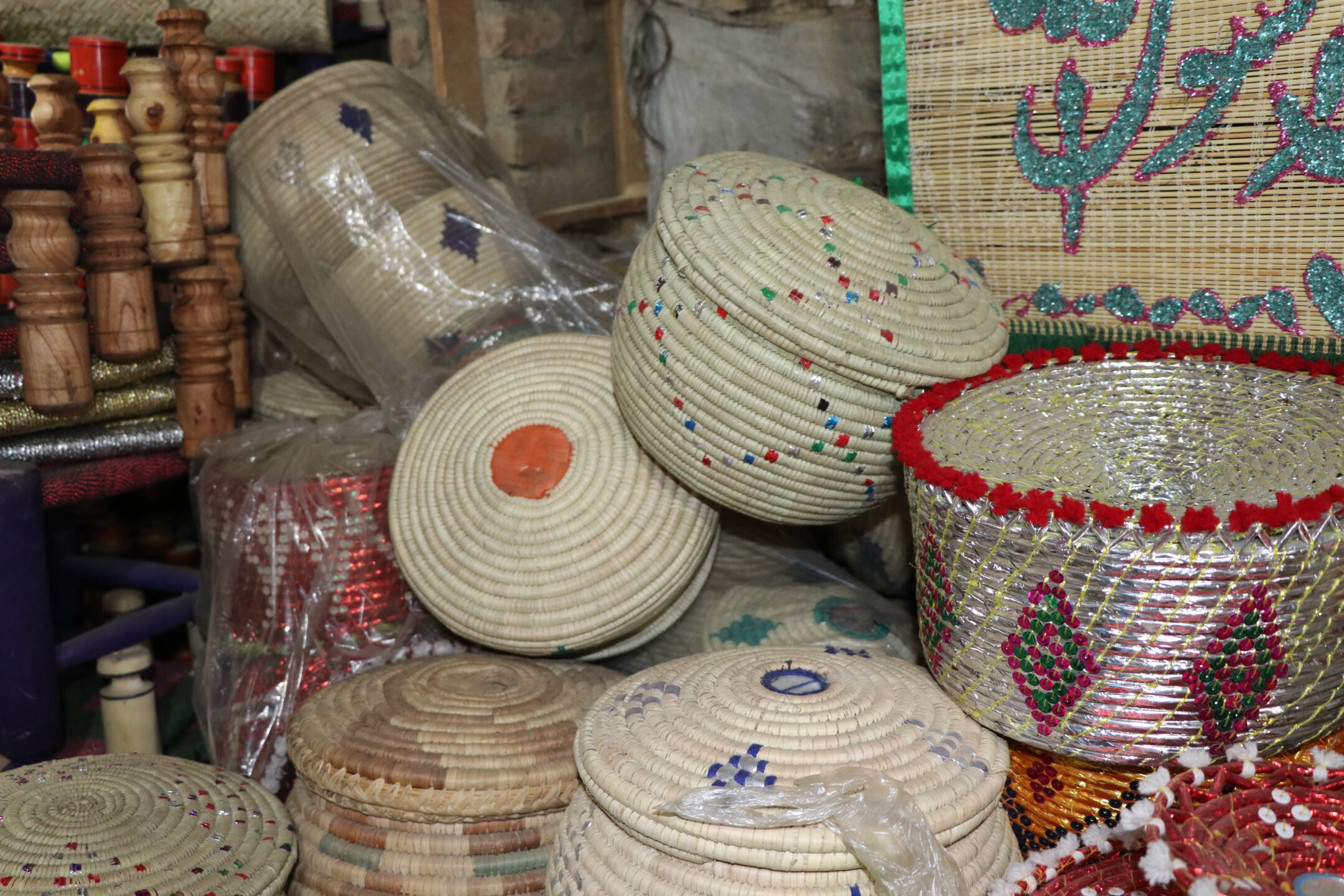
In a strategic partnership with UNESCO, this project was launched as a comprehensive socio-economic development program for the artisans of Southern Punjab. Five specialized UNESCO-THAAP Craft Centers were established, including the Nadeem Handloom Center and the Sardar Wali Center, right in the hearts of the artisan communities. The project provided training to over 150 artisans, with a primary focus on women’s empowerment. By teaching design development, marketing strategies, and functional literacy, the initiative transformed traditional crafts like “Pit-loom” weaving and “Chunri” into sustainable micro-enterprises, significantly improving the livelihoods of the local community.
Services Links
Copyright. All Rights Reserved by THAAP.