THAAP Conference 2016
People and the City
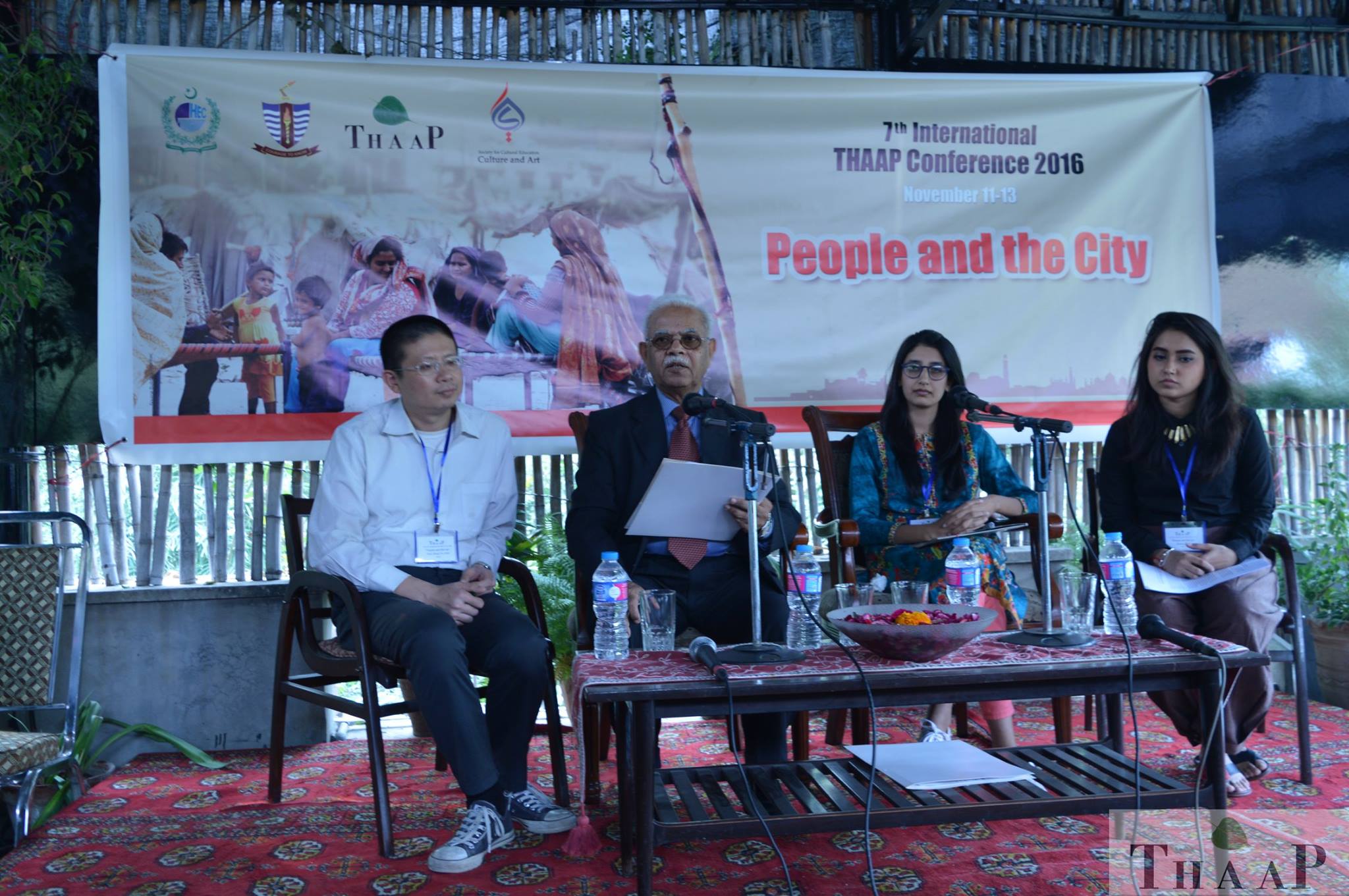
The seventh annual THAAP Conference in 2016 explored the dynamic and complex relationship between urban environments and the human spirit under the theme ‘People and the City’. At THAAP, we believe that a city is not merely a collection of structures, but a living, breathing entity shaped by the people who inhabit it. Guided by the editorial vision of Pervaiz Vandal and Sajida Vandal, this conference investigated how our present-day urban identity is a reflection of our historical and social evolution.
The discourse focused on the ‘human’ side of urbanism—how people interact with public spaces, how they navigate the challenges of city life, and how their cultural practices define the character of a metropolis. By reassessing the city through the people’s perspective, the conference challenged traditional top-down planning and instead advocated for an inclusive, bottom-up understanding of urban growth.
This platform allowed academics and professionals to deliberate on making cities more humane and responsive to the needs of their citizens. Following THAAP’s core mission of knowledge dissemination, the rich multidisciplinary dialogues from this event were meticulously documented in the THAAP Journal 2017, ensuring that the insights of over 90 global scholars continue to inform the future of our urban landscapes.
At the heart of this conference was the belief that ‘Life’ itself—the social interactions, local traditions, and human experiences—must be the focal point of any meaningful study of urbanism. While large cities often dominate architectural debates, this conference studied small towns from across the globe to understand how they sustain unique cultural identities.
As a forum dedicated to academics and professionals, THAAP used this event to bridge the gap between theory and practice. Under the guidance of Pervaiz Vandal and Sajida Vandal, the conference emphasized the role of teachers in leading the way toward a richer future—one that isn’t stagnant with a unitary thought but carries the variety of ‘a thousand flowers.’ All intellectual input from this conference was compiled and published to ensure the wide dissemination of knowledge, staying true to our mission of learning from one another.
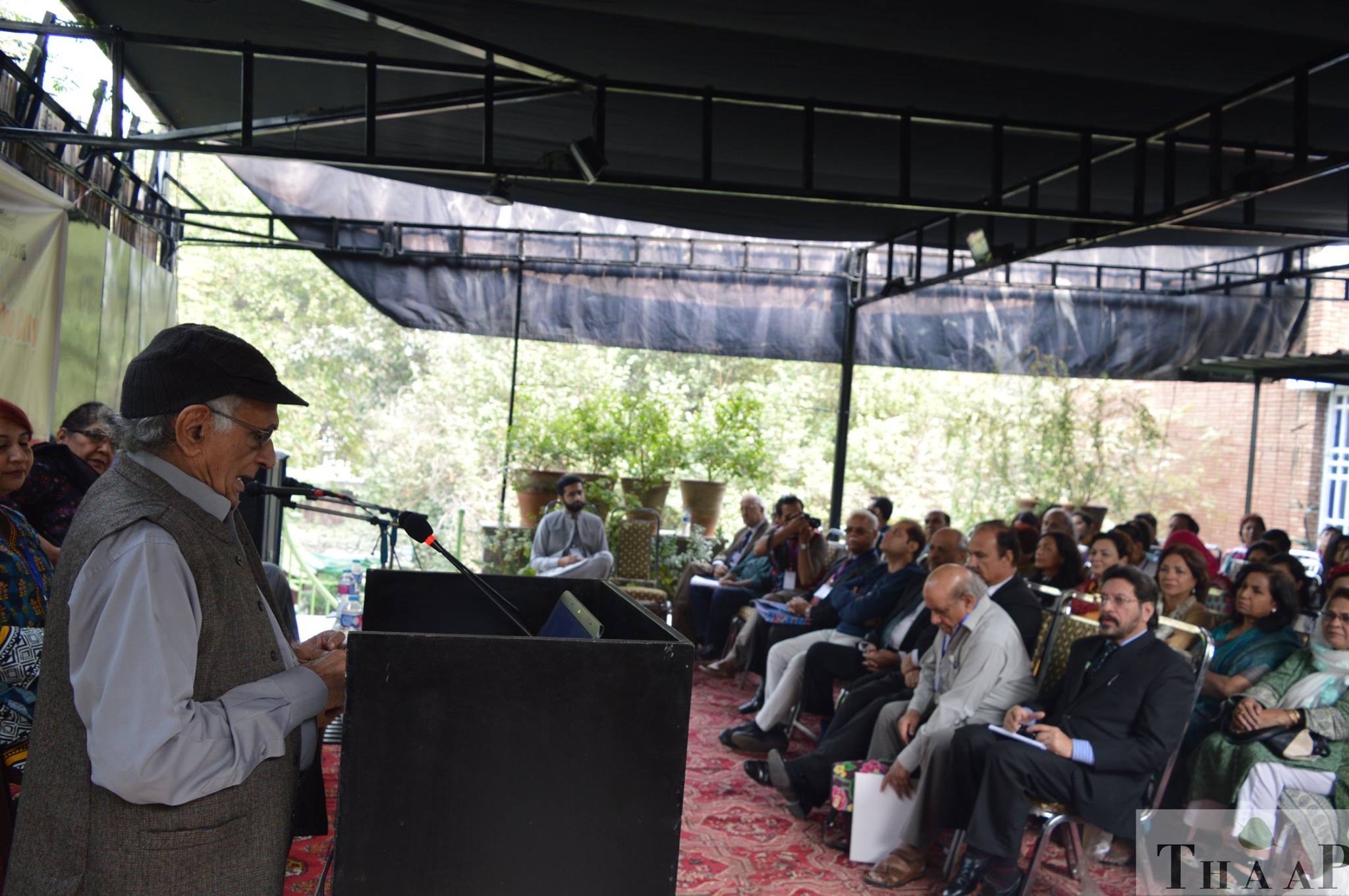
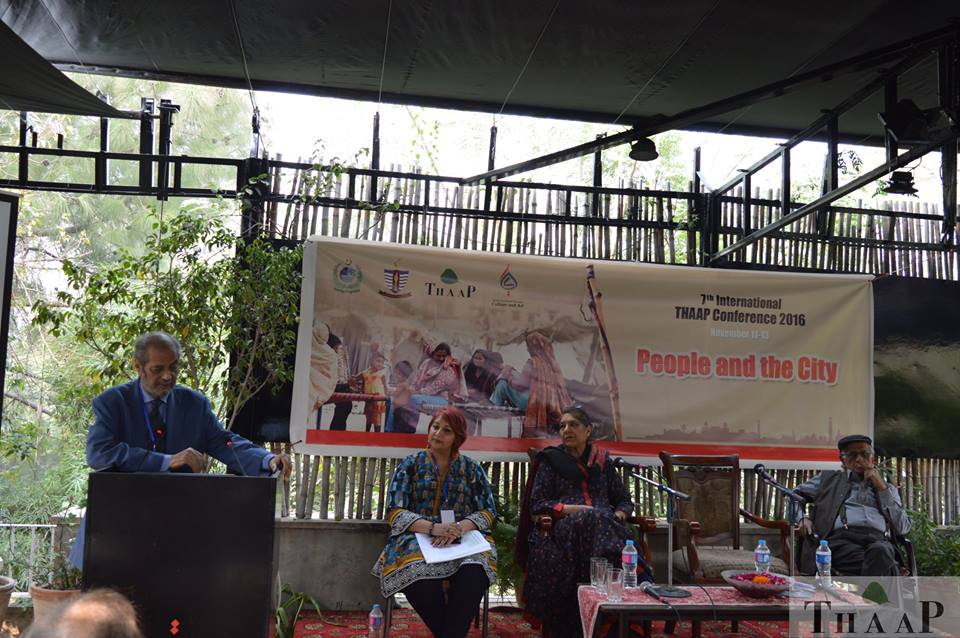
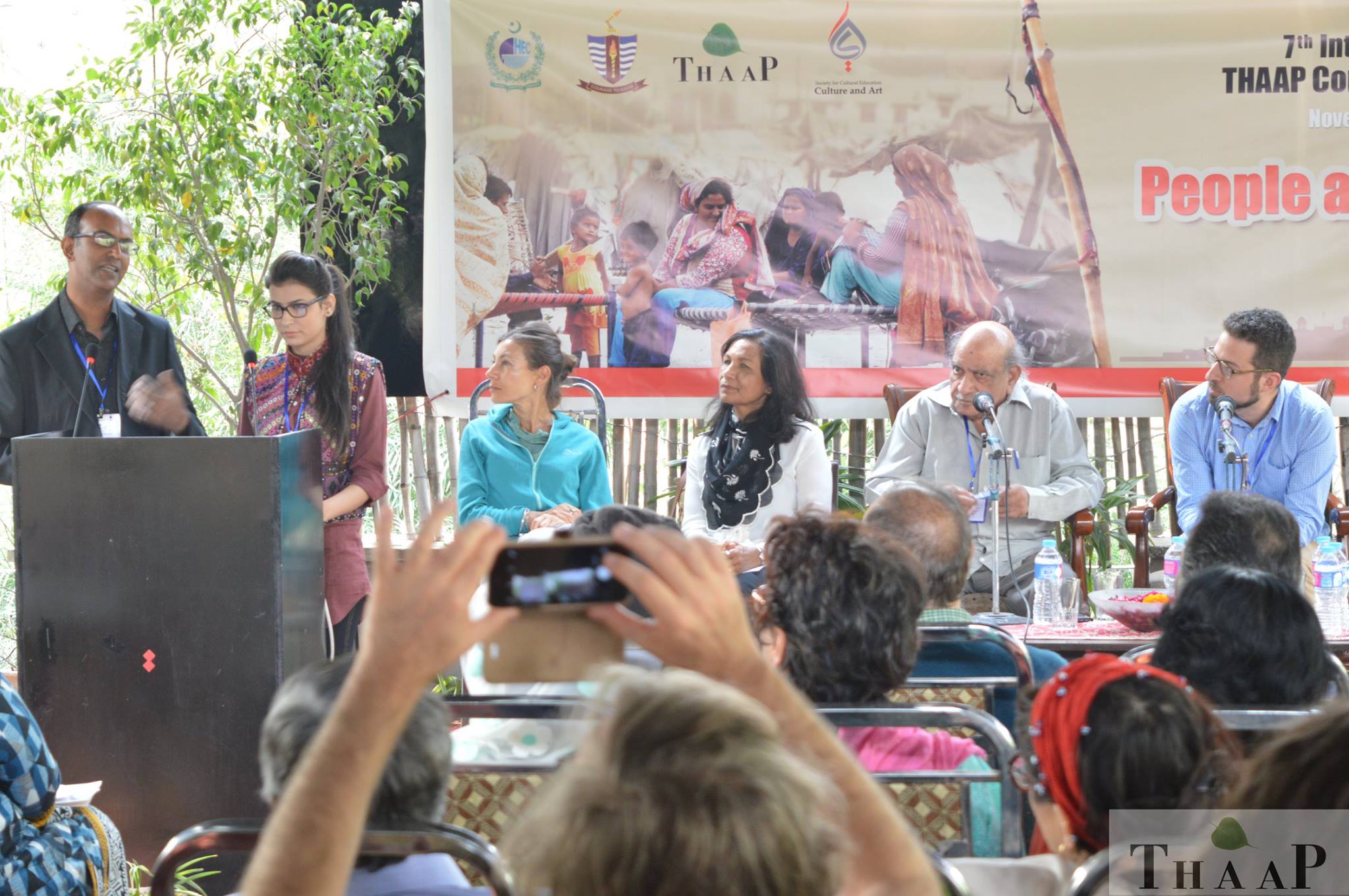
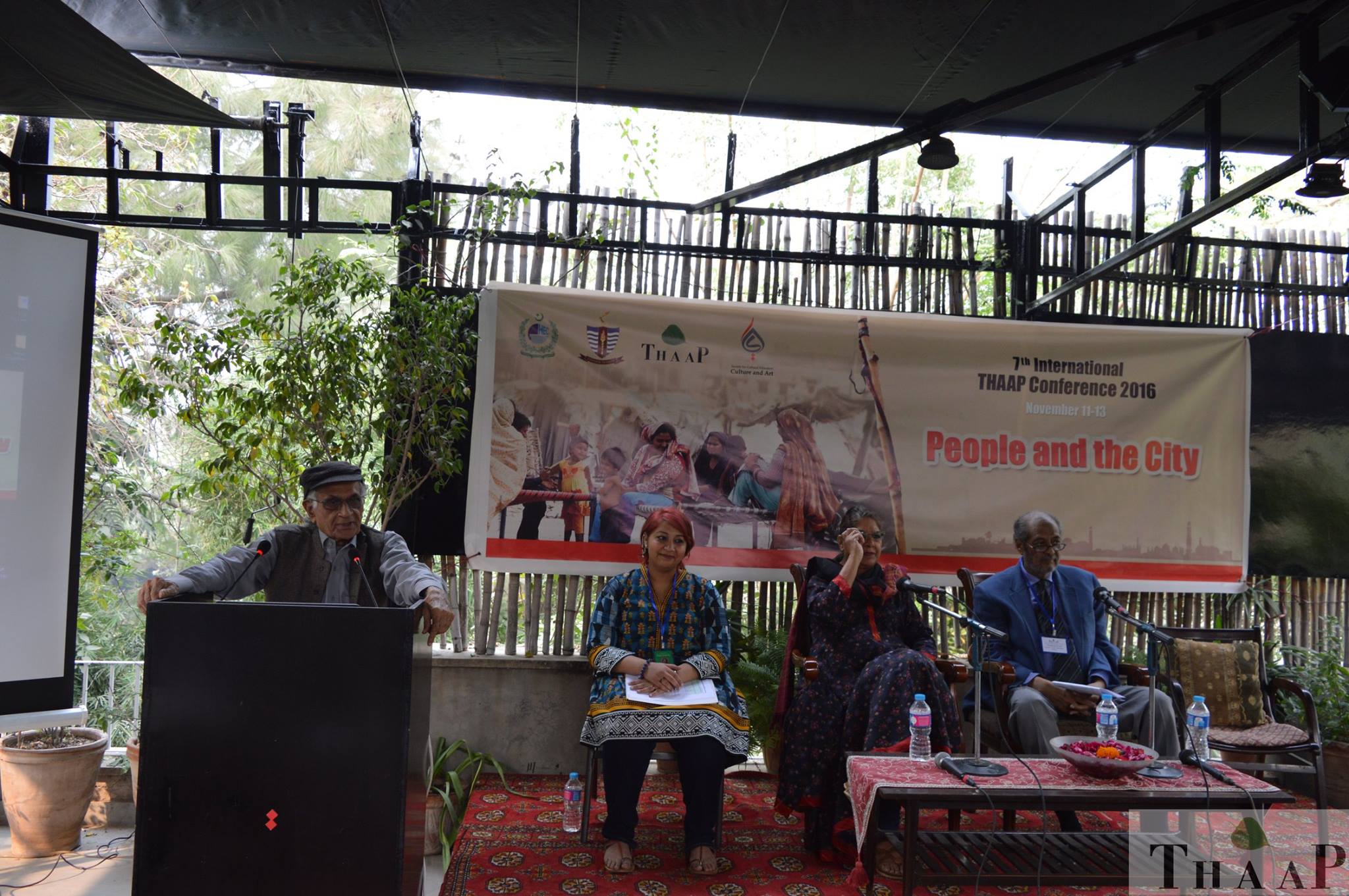
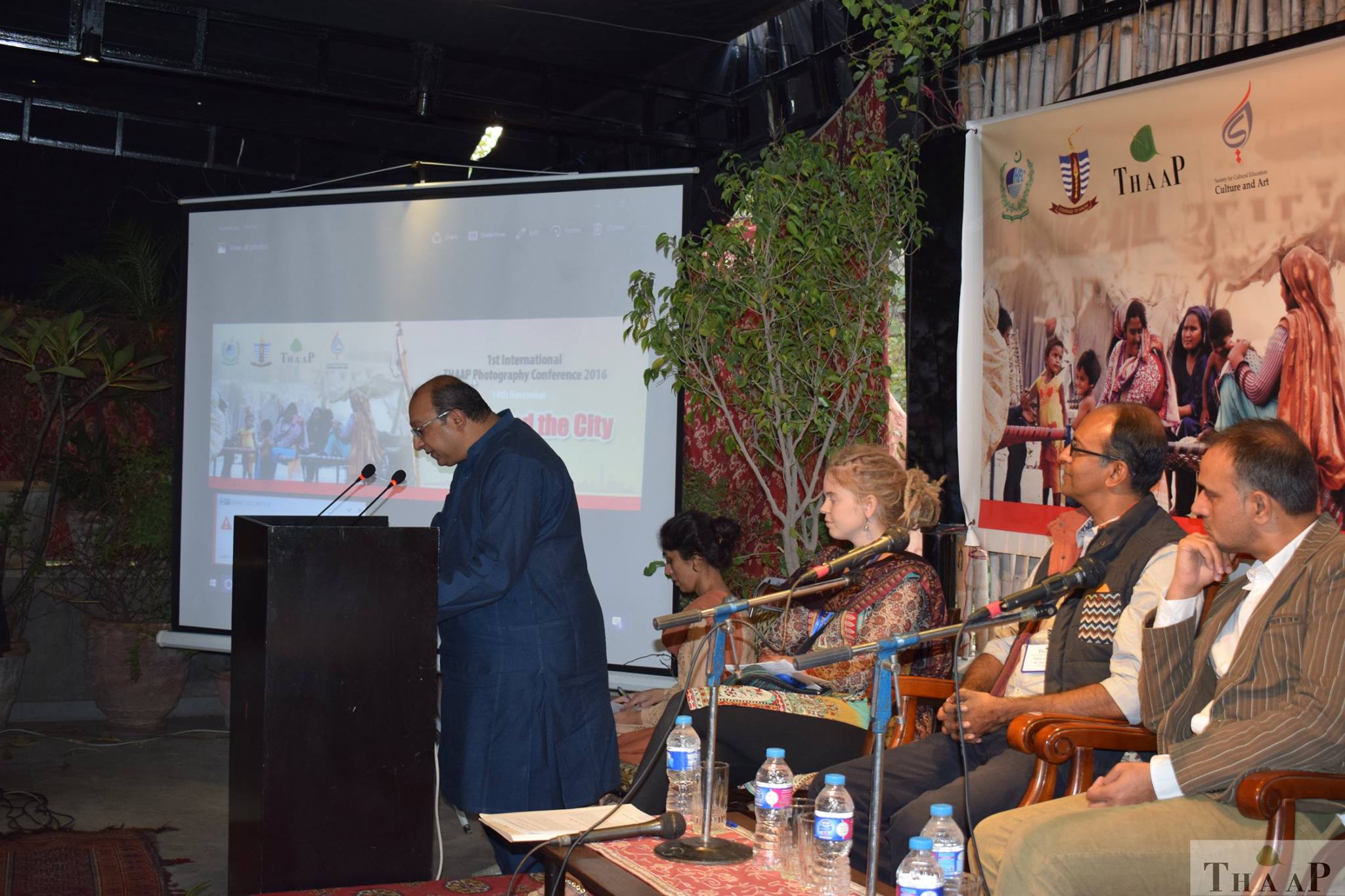
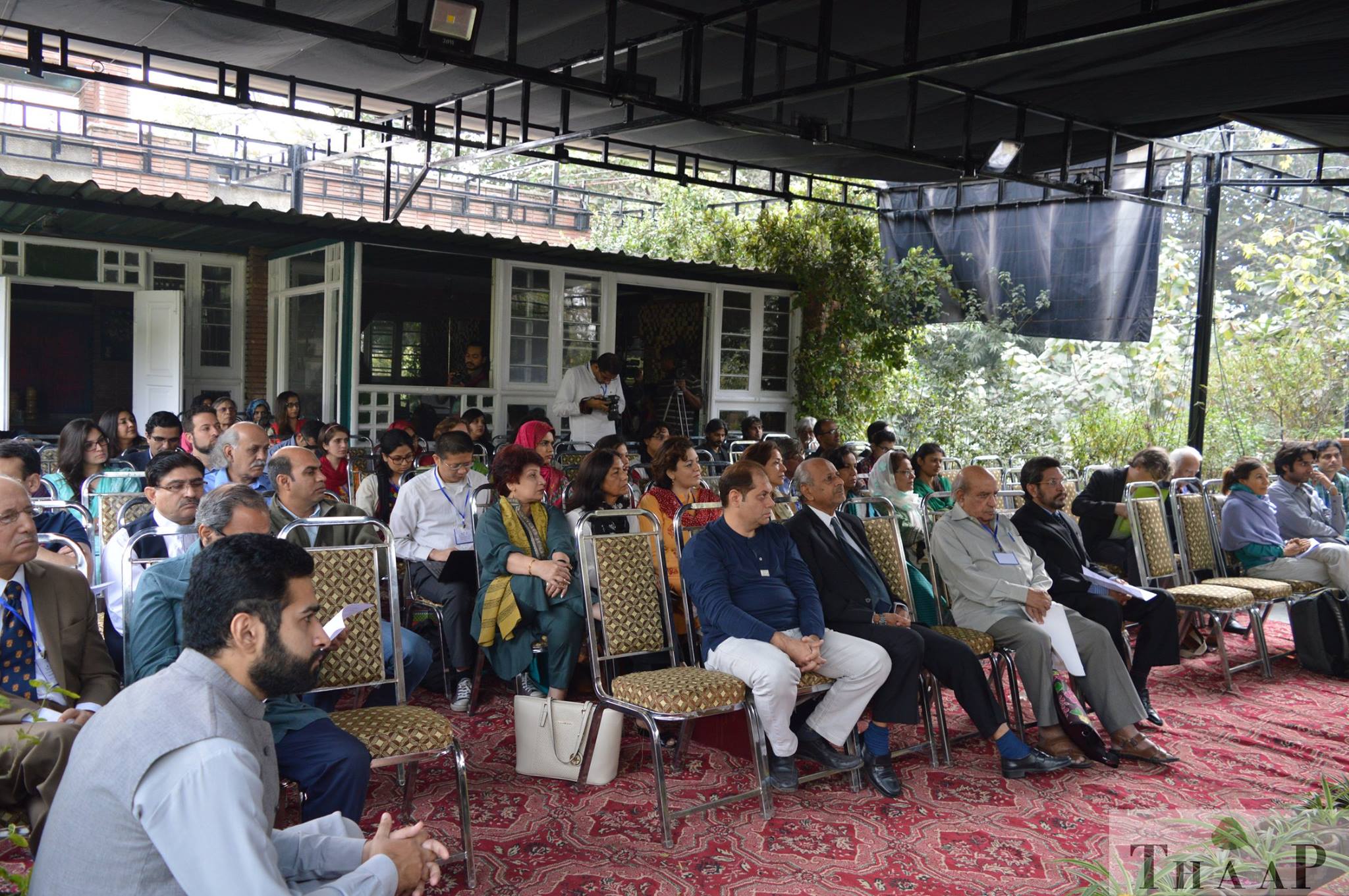
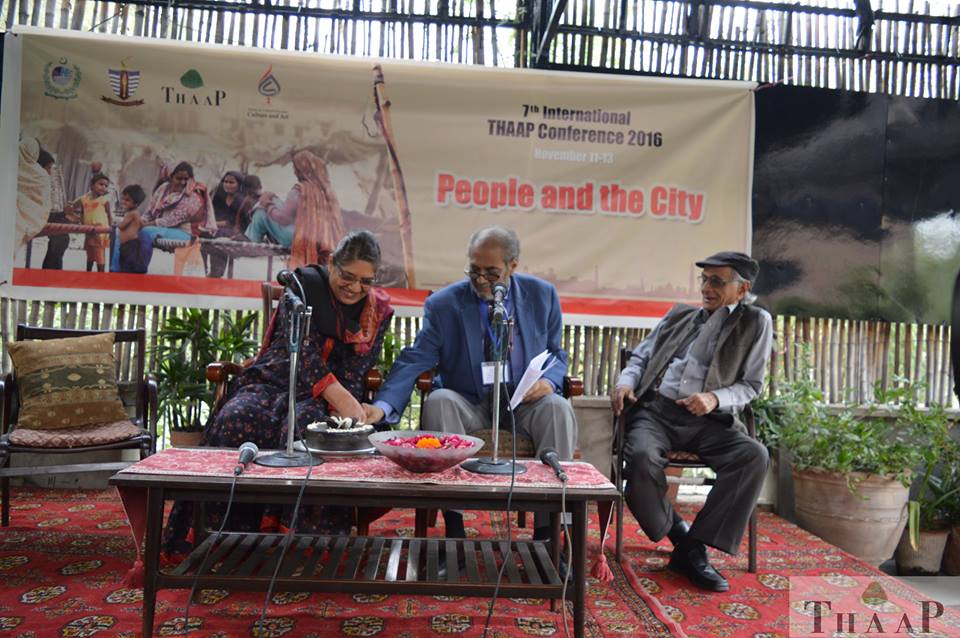
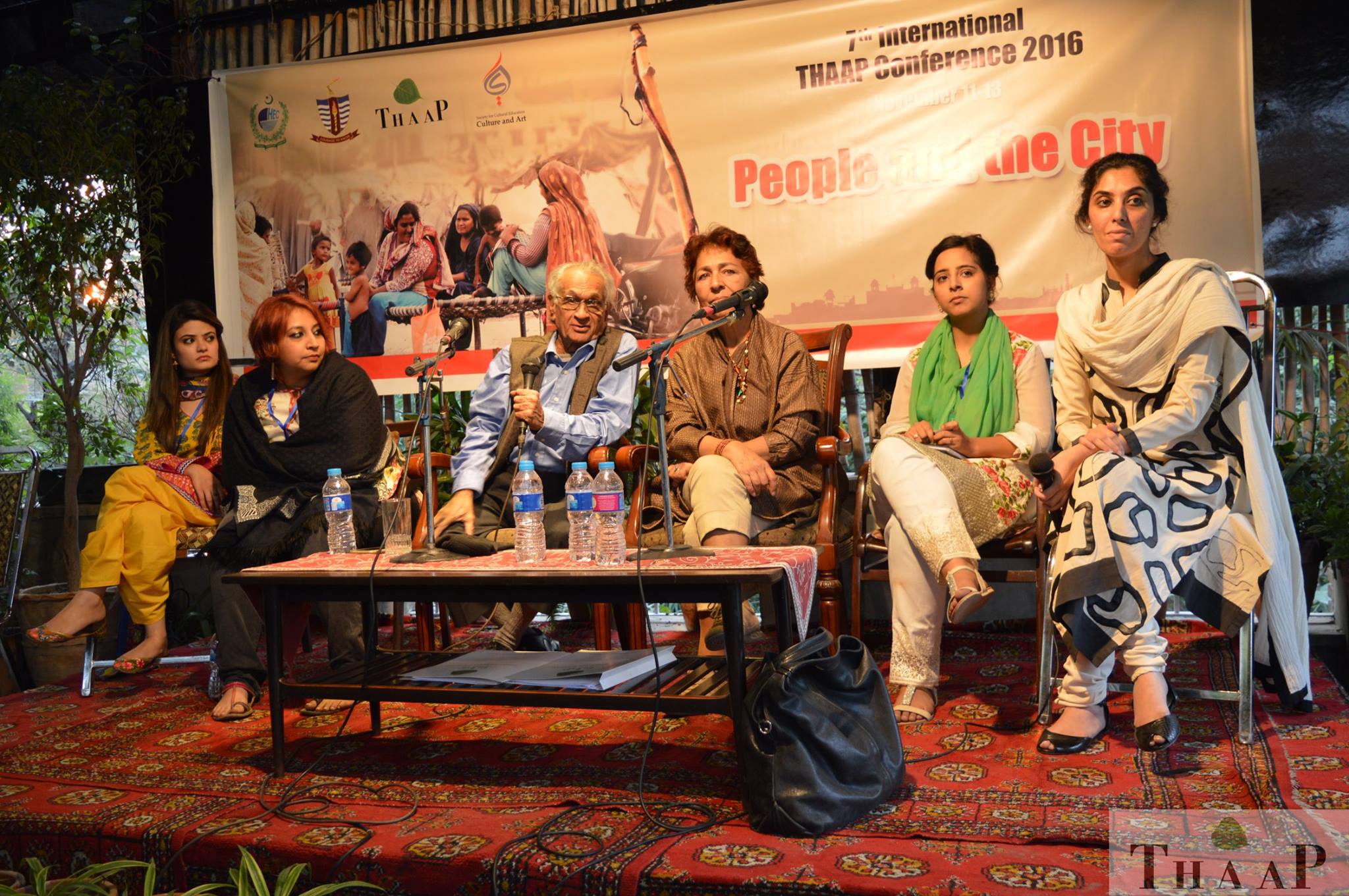
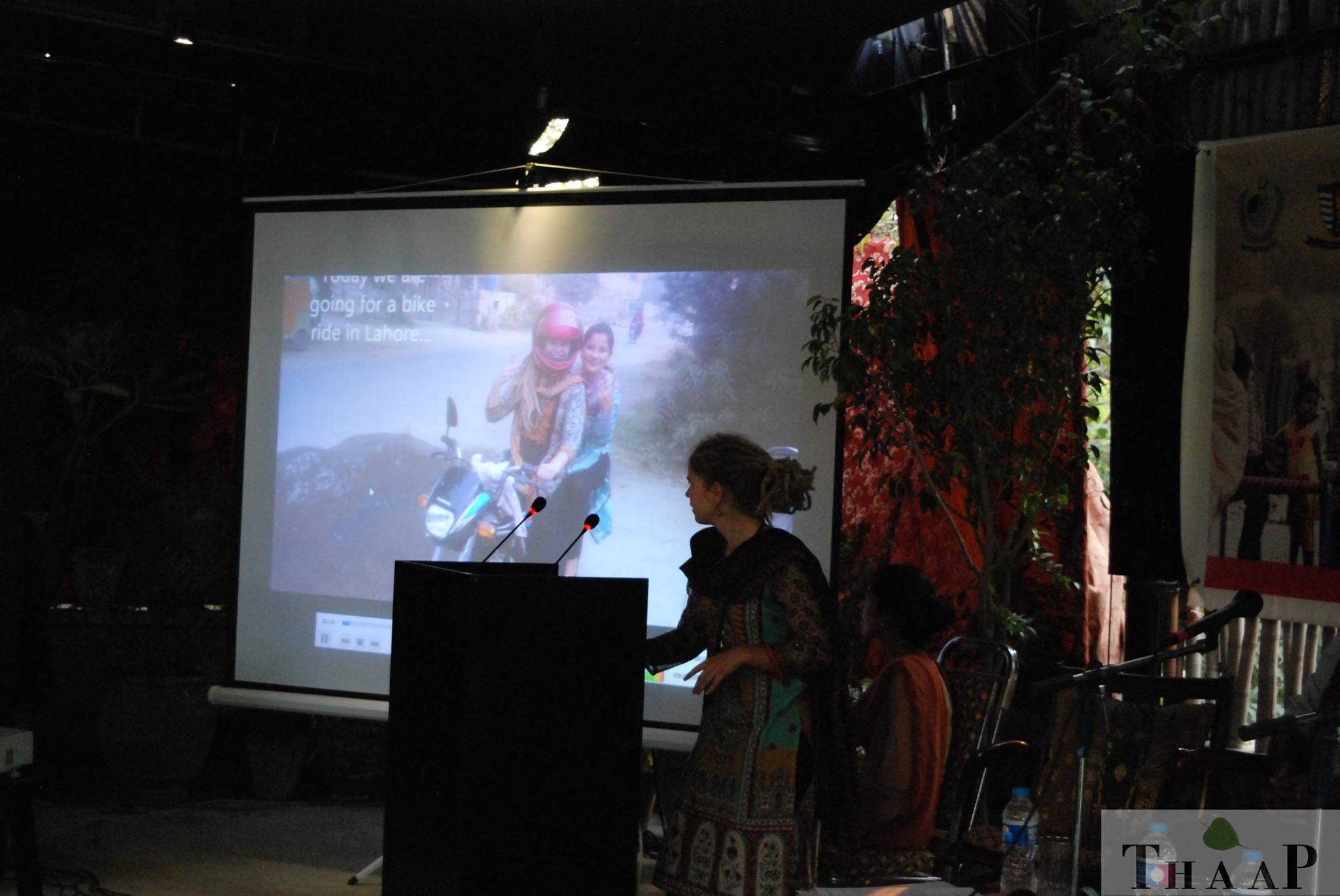
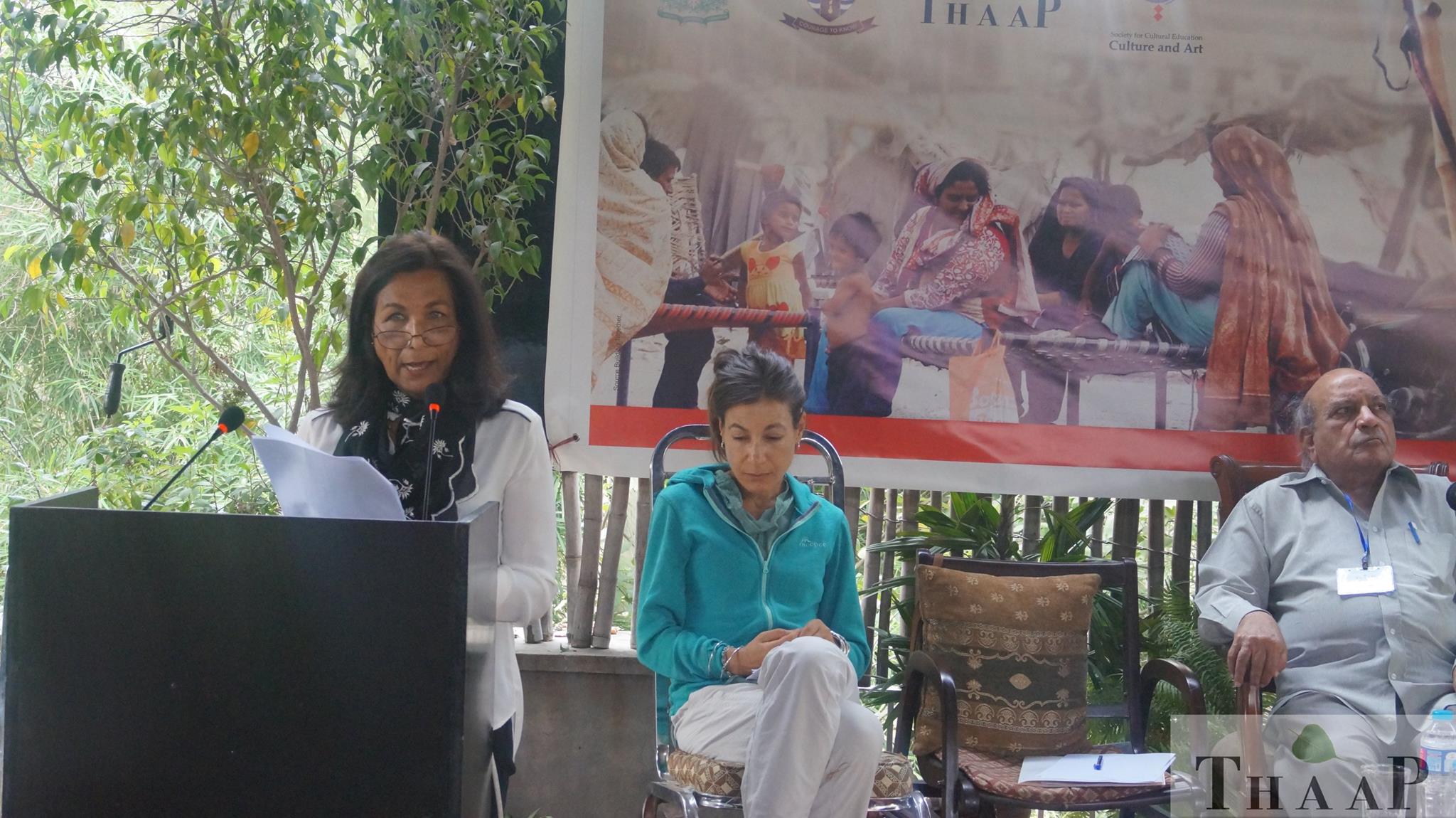
Living the City: Conference Gallery 2016
Services Links
Copyright. All Rights Reserved by THAAP.